
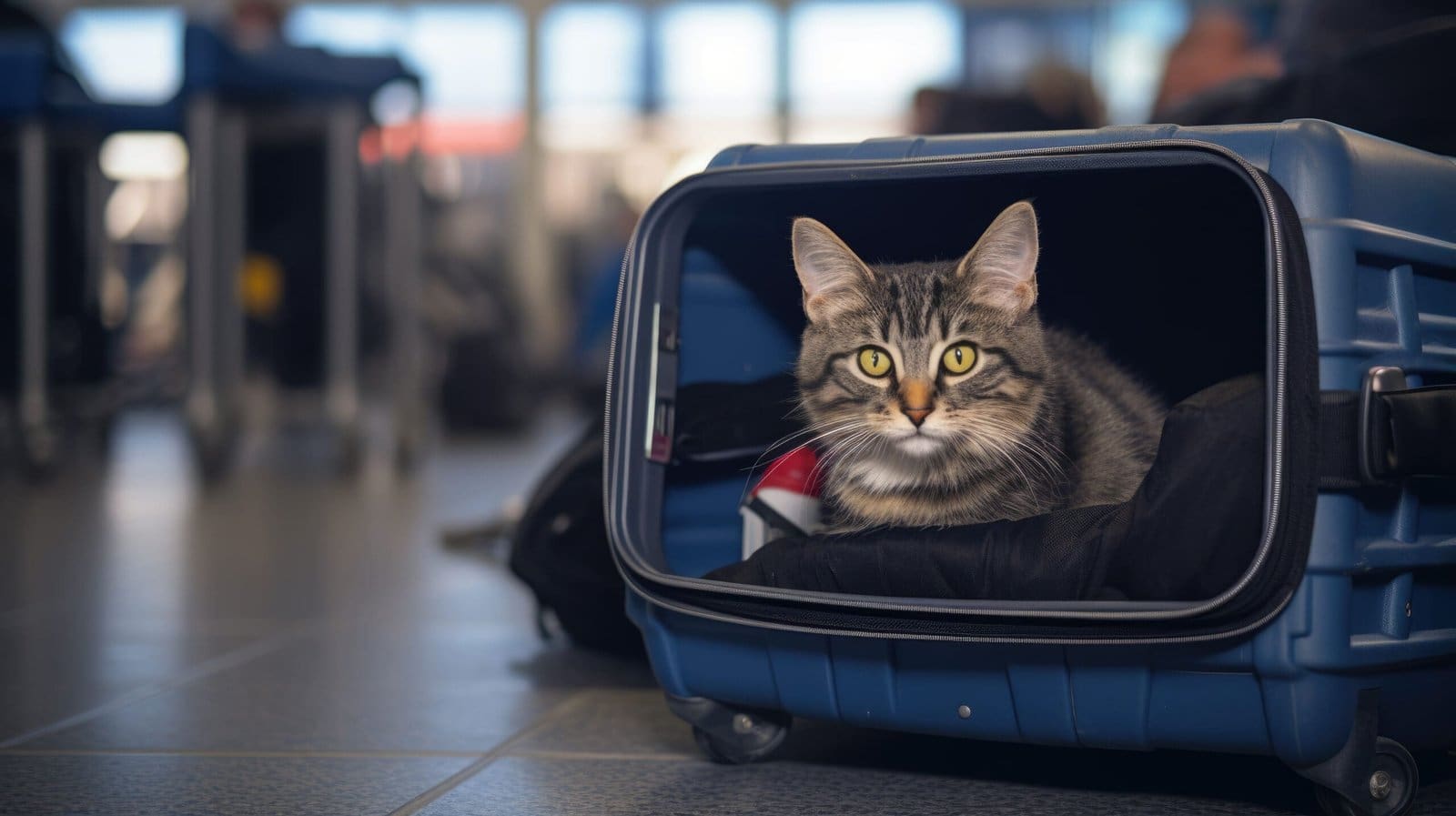
Safe travel tips for cats focus on reducing stress, maintaining comfort, and ensuring security while on the move. Whether travelling by car or public transport, proper preparation helps keep cats calm and protects their wellbeing throughout the journey.
Traveling with your feline companion can be a joyous and rewarding experience, but it’s important to ensure their comfort and well-being throughout the journey. Whether you’re embarking on a short road trip or flying to a distant destination, these safe travel tips for cats will help make the traveling experience stress-free for both you and your furry friend. From choosing the right carrier to providing familiar and calming surroundings, we’ve got you covered with expert advice to keep your cat happy and safe on the move.
Safe Travel Tips for Cats
Safe travel tips for cats include using a secure carrier, maintaining familiar scents, and planning regular breaks when needed. Keeping routines consistent and minimising noise or sudden movement helps cats feel safer during travel.
Preparing for Travel
Consulting with a Veterinarian
Before embarking on a journey with your feline friend, it is important to consult with a veterinarian. Your vet can provide valuable advice and ensure that your cat is healthy enough for travel. They may also offer specific tips for your cat, based on their individual needs and temperament.
Updating Vaccinations and Medications
Ensure that your cat’s vaccinations are up to date before traveling. This not only protects their health but also ensures their safety when interacting with other animals. Additionally, if your cat requires any medications, make sure you have enough to last throughout the journey, and obtain a written prescription in case it is needed during your travels.
Microchipping and ID Tags
Microchipping your cat is a crucial step in preparing for travel. In case your cat becomes lost during the journey, a microchip can greatly increase the chances of them being safely reunited with you. Additionally, make sure your cat wears an ID tag with your contact information at all times during the trip.
Obtaining a Travel Carrier
Investing in a suitable travel carrier is essential for your cat’s comfort and safety. Choose a carrier that is well-ventilated, secure, and easy to clean. It should also comply with airline regulations if you plan on flying. Take the time to find the perfect carrier for your cat, as they will spend a significant amount of time in it during your travels.
Choosing the Right Carrier
Size and Comfort
Select a carrier that allows your cat to comfortably stand, turn around, and lie down. It should not be too restrictive or too large, as this may cause your cat to feel anxious or unsafe. Consider your cat’s size and weight when choosing the carrier to ensure a proper fit.

Material and Durability
Opt for carriers made of durable materials that are easy to clean. Cats may have accidents or become stressed during travel, so having a carrier that can withstand these situations is important. Carriers made of sturdy plastic or fabric with reinforced seams are good options to consider.
Proper Ventilation
Adequate ventilation is crucial to keep your cat comfortable and prevent overheating or lack of fresh air. Choose a carrier with multiple air vents or mesh panels that allow for proper airflow. This will help regulate temperature and ensure your cat’s well-being throughout the journey.
Secure Closures
Ensure that the carrier has secure closures to prevent any accidental openings during travel. Look for carriers with strong zippers, latches, or sturdy locking mechanisms. The last thing you want is for your cat to escape while you’re on the road or in an unfamiliar environment.
Getting the Cat Familiar with the Carrier
Introduce the Carrier Gradually
Help your cat become familiar and comfortable with the carrier by introducing it gradually before your trip. Leave the carrier open in a familiar and inviting area, allowing your cat to explore it at their own pace. This will help reduce anxiety and make the carrier a less intimidating space for them.
Create Positive Associations
Associate the carrier with positive experiences to help your cat feel at ease. Place treats or favorite toys inside the carrier, providing positive reinforcement for entering and spending time in it. The goal is to make the carrier a place your cat associates with safety and comfort.
Using Treats and Toys
Use treats and toys as incentives to encourage your cat to enter the carrier willingly. Reward them for getting in and staying calmly inside the carrier, gradually increasing the duration of their stay. This positive reinforcement will help your cat develop a positive association with the carrier.
Avoiding Negative Reactions
Avoid forcing your cat into the carrier or creating negative experiences associated with it. This can lead to further anxiety and resistance in the future. Patience and gentle encouragement are key when getting your cat familiar with the carrier.
Packing Essential Supplies
Food and Water
Pack enough food and water to last the duration of your journey, including any potential delays. It’s best to stick to your cat’s regular diet to avoid upsetting their stomach. Carry collapsible bowls for easy feeding and make sure your cat stays hydrated throughout the trip.
Litter Box and Litter
Bring a portable litter box along with an ample supply of litter. Familiarize your cat with the portable litter box before the trip to ensure they are comfortable using it. This will provide them with a designated space to relieve themselves during rest stops.
Favorite Toys and Blankets
Bring along some of your cat’s favorite toys and blankets to provide them with a sense of comfort and familiarity. Having familiar scents and objects nearby can help reduce stress and anxiety during travel.
Medications and Medical Records
Pack any necessary medications your cat requires, along with their medical records. Keeping their medical history easily accessible can be crucial in case of an emergency or if you need to visit a veterinarian on your travels. Store medications in a secure and easily accessible part of your travel bag.
Ensuring a Comfortable Travel Environment
Optimal Temperature and Ventilation
Keep the temperature inside the vehicle or carrier at a comfortable level. Avoid exposing your cat to extreme heat or cold, as this can greatly affect their well-being. Ensure that the carrier is adequately ventilated to maintain a steady flow of fresh air.
Minimizing Noise and Stress
Reduce excessive noise in the car or travel environment to minimize stress for your cat. Play calming music or use white noise to create a soothing atmosphere. Additionally, avoid sudden loud noises or shouting, as these can startle and distress your furry friend.
Providing Familiar Smells
Bring along items with familiar scents, such as a blanket from home or an unwashed t-shirt, to provide a sense of familiarity and comfort for your cat. These scents can help reassure them in an unfamiliar environment and ease their anxiety.
Avoiding Direct Sunlight
Shield your cat from direct sunlight, as prolonged exposure can lead to overheating and discomfort. Place the carrier in a shaded area of the vehicle or cover it with a thin blanket to provide protection from direct sunlight.
Planning for Breaks and Rest Stops
Designated Rest Areas
Plan your journey to include designated rest areas where your cat can stretch its legs and take a break from the carrier. Research pet-friendly locations or pit stops along your route ahead of time to ensure a safe and convenient place for your cat to explore.
Allowing for Stretching and Exercise
During rest stops, give your cat an opportunity to stretch and exercise. Use a leash or harness to let them explore a secure area under your supervision. This will help them burn off excess energy and keep them feeling more relaxed during the journey.
Providing Water and Bathroom Breaks
Offer your cat water and bathroom breaks at regular intervals during your travels. Have a portable water dispenser on hand to ensure your cat stays hydrated. Set up a small litter box during rest stops to provide a designated area for them to use the restroom.
Safety Considerations at Rest Stops
When allowing your cat to stretch its legs at rest stops, it’s important to prioritize their safety. Keep your cat on a leash and monitor their surroundings to prevent any potential escapes or encounters with other animals. Additionally, be mindful of any hazards or dangers in the environment that could harm your cat.
Managing Anxiety and Travel Nervousness
Calming Techniques and Products
There are several techniques and products available to help calm your cat during travel. These include pheromone sprays, calming collars, and herbal remedies. Consult with your veterinarian to determine the most appropriate calming solution for your cat’s specific needs.
Prescribed Medications
In some cases, a veterinarian may prescribe anti-anxiety or sedative medications to help your cat stay calm during travel. If you believe your cat may benefit from medication, consult with your vet well in advance of your trip to discuss the options and dosage that would be appropriate for your cat.
Comforting Familiar Scents
Providing familiar scents during travel can help soothe your cat’s nerves. Pack a blanket or item of clothing with your scent on it to create a sense of familiarity and comfort. This can help ease any anxiety your cat may experience during the journey.
Distractions and Entertainment
Provide your cat with distractions and entertainment to keep their mind occupied during travel. Bring along their favorite toys or interactive puzzles to prevent boredom. Additionally, playing calming music or audio books can provide a soothing and familiar environment for your cat.
Ensuring Safety during Car Travel
Securing the Carrier
It is crucial to secure the carrier in the car to prevent it from shifting or falling during travel. Place the carrier on a flat surface, such as the back seat or floor, and use seat belts or safety straps to secure it in place. This will ensure that your cat remains safe and secure throughout the journey.
Avoiding Loose Objects
Remove any loose objects from the area surrounding the carrier to minimize the risk of injury. Objects such as water bottles, books, or loose items in the car can become projectiles in the event of sudden stops or movements. Keep the area around the carrier clear and secure any loose items.
Properly Restraining the Cat
Keep your cat safely restrained inside the carrier during travel. This will prevent them from escaping or causing distractions that could compromise the safety of both you and your cat. Make sure the carrier door is securely latched, and consider using a leash or harness to provide an additional level of restraint.
Safe Driving Practices
As the driver, it is your responsibility to prioritize safety for both yourself and your cat. Observe all traffic laws, avoid distractions, and focus on the road. Sudden movements or aggressive driving can cause stress for your cat, so strive for smooth and steady driving to create a more comfortable travel experience.
Air Travel Considerations
Checking Airline Guidelines
If you are planning to travel by plane, it is essential to thoroughly review the airline’s guidelines and restrictions regarding pet travel. Each airline has specific requirements for carriers, health documents, and check-in procedures. Familiarize yourself with these guidelines to ensure a smooth and stress-free journey.
Choosing a Pet-Friendly Airline
Select an airline that is known for its pet-friendly policies and amenities. Research airlines that prioritize pet well-being and have a good track record of safely transporting animals. Choosing the right airline can greatly contribute to your cat’s comfort and safety during air travel.
Acclimating the Cat to Carrier
Help your cat acclimate to the carrier before the flight by following the steps mentioned earlier. Gradual introductions and positive associations with the carrier will provide your cat with a greater sense of security during the flight.
Essential Documents and Labels
Ensure you have all the necessary documents for air travel, such as health certificates, vaccination records, and any other required paperwork. Attach clear and visible labels to the carrier with your contact information and flight details. This will help airline staff and other passengers identify your cat’s carrier if needed.
Arriving at the Destination
Setting Up a Safe Space
Upon arrival at your destination, set up a safe and comfortable space for your cat. This could be a designated room or area where your cat can relax and slowly adjust to the new surroundings. Provide a litter box, food and water dishes, and a cozy bed or blanket to help them feel at home.
Gradual Introduction to Surroundings
Introduce your cat to their new surroundings gradually. Allow them to explore one room at a time, starting with the space they will be staying in initially. This will help them acclimate to the new environment at their own pace and reduce stress.
Providing Familiar Items
Make the new space feel familiar by placing your cat’s favorite toys, blankets, and other familiar items in the area. These familiar scents and objects will provide comfort and reassurance during the adjustment period.
Monitoring for Any Health or Behavioral Changes
Keep a close eye on your cat for any signs of distress, illness, or unusual behavior in the days following your arrival. Changes in appetite, litter box habits, or excessive hiding can be indicators of stress or potential health issues. Consult with a local veterinarian if you notice any concerning changes in your cat’s well-being.
In conclusion, preparing for travel with your cat requires careful planning and consideration to ensure their comfort and well-being. By consulting with a veterinarian, choosing the right carrier, familiarizing your cat with the carrier, packing essential supplies, creating a comfortable travel environment, planning for breaks, managing anxiety, ensuring safety, and understanding specific air travel considerations, you can provide your cat with a safe and enjoyable travel experience. By following these tips and guidelines, you can embark on a journey with your feline companion with confidence, knowing that their comfort and well-being are prioritized every step of the way.