
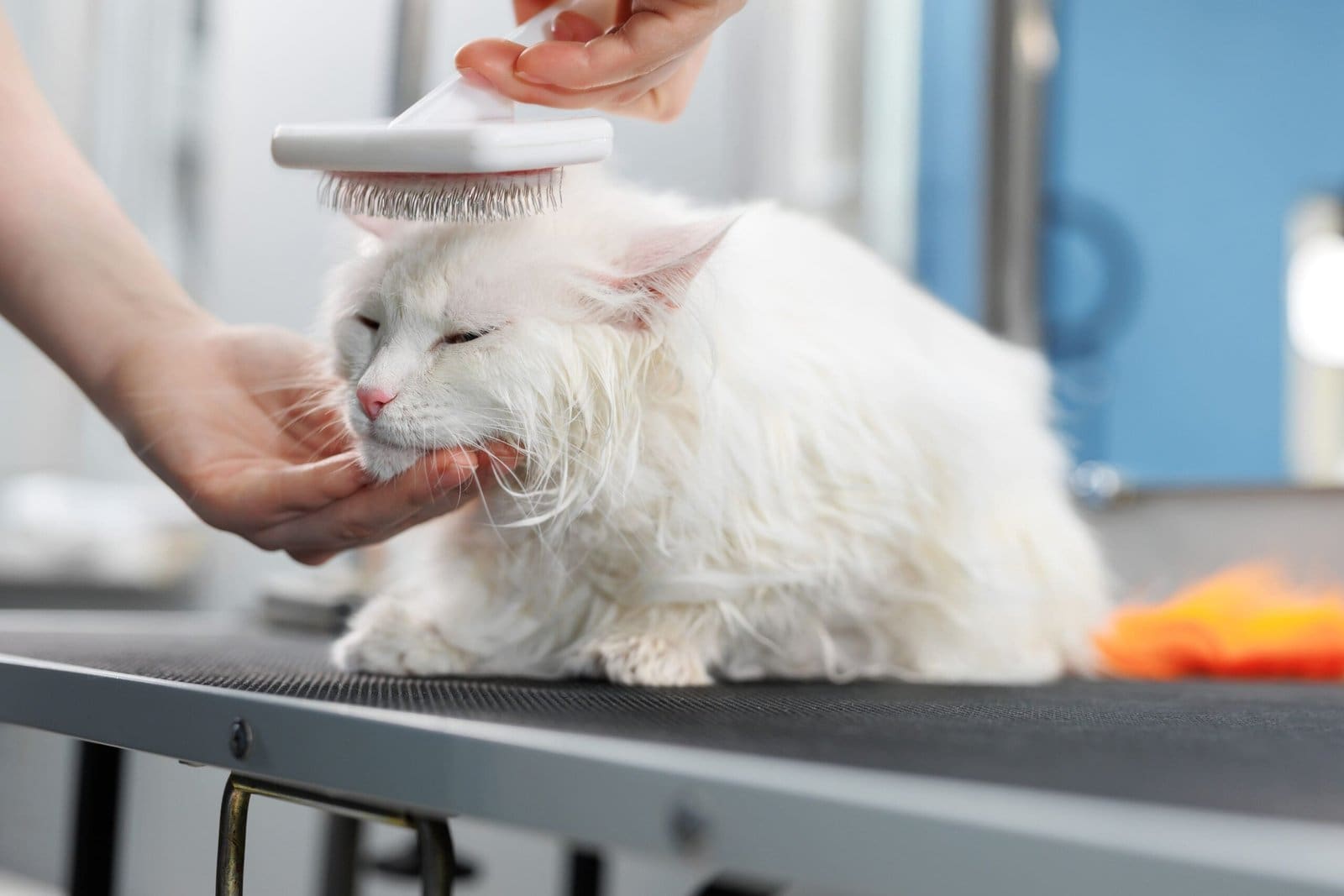
Cat Grooming Safety: Common Mistakes and Hazards is an important topic for cat owners who groom at home. Simple mistakes during brushing, bathing, or trimming can lead to stress or injury, making safe grooming practices essential for a calm and healthy cat.
If you’ve ever tried to give your furry feline friend a grooming session, you know firsthand that it’s not always a walk in the park. From sharp claws to startled jumps, there are plenty of potential hazards lurking in the process. But fear not, because today we’re here to help you navigate the world of cat grooming safety. This article will highlight some common mistakes to avoid and provide you with valuable tips to ensure a smooth and stress-free grooming experience for both you and your beloved pet. So grab your comb and let’s dive into the world of cat grooming safety!
Cat Grooming Safety: Common Mistakes and Hazards
Understanding common grooming mistakes and potential hazards helps reduce the risk of cuts, skin irritation, and anxiety during grooming sessions.
Brushing
Choosing the right brush for your cat
When it comes to brushing your cat, the first step is to choose the right brush. Cats have different types of coats, so it’s important to select a brush that suits their specific needs. Long-haired cats usually require a brush with longer bristles and a wider surface area to effectively remove tangles and prevent matting. On the other hand, short-haired cats can benefit from a brush with shorter bristles that helps remove loose fur and keeps their coat shiny. Remember to choose a brush that is comfortable for both you and your cat to handle.
Brushing technique
Once you have the appropriate brush, it’s time to learn the proper brushing technique. Start by gently introducing the brush to your cat, allowing them to sniff and become familiar with it. Begin brushing in the direction of your cat’s hair growth, using long, smooth strokes. Be gentle and avoid pulling or tugging on any tangles. If you come across any mats or knots, use your fingers or a mat comb to carefully work them out. Remember to be patient and take breaks if your cat becomes restless. Brushing should be a positive experience for both of you.
Avoiding common mistakes in brushing
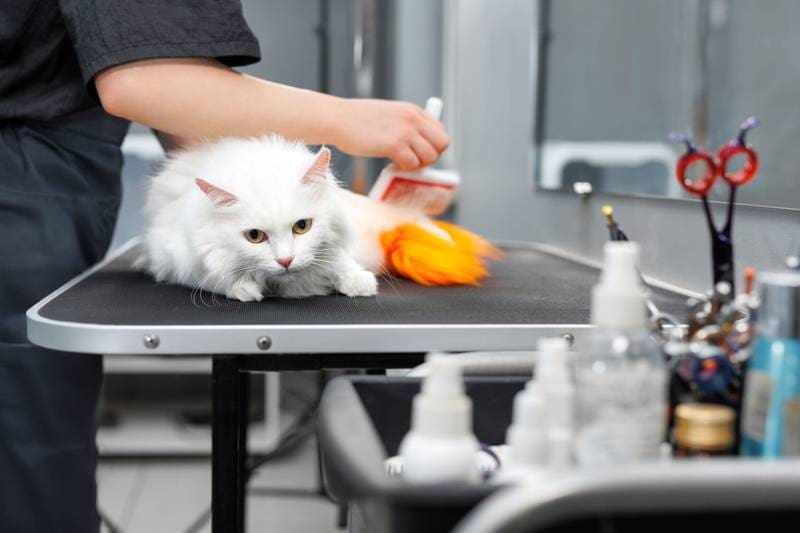
While brushing may seem simple, there are a few common mistakes to avoid. One of the most important is brushing too aggressively, which can cause discomfort or even injury to your cat. Always be gentle and take your time. Another mistake is neglecting certain areas, such as the belly or tail. These areas are prone to matting and should be brushed regularly. Lastly, don’t forget to clean your brush regularly. A dirty brush can harbor bacteria and spread it to your cat’s coat. So, remember to clean your brush after each grooming session to keep it hygienic.
Bathing
Preparing for the bath
Bathing a cat can be a challenging task, but with proper preparation, it can become a stress-free experience. Start by choosing a quiet and warm area, such as a bathroom, where you can easily control the environment. Gather all the necessary supplies, including a cat-friendly shampoo, towels, and a non-slip mat for the tub. Fill the tub with a few inches of lukewarm water, making sure it’s not too hot or cold for your cat’s comfort. Before placing your cat in the tub, it’s advisable to trim their nails to minimize scratches.
Choosing a cat-friendly shampoo
Not all shampoos are created equal when it comes to feline grooming. It’s important to choose a shampoo specifically formulated for cats. Human shampoos can be too harsh and may irritate their skin. Look for shampoos that are gentle, hypoallergenic, and free from any harsh chemicals or fragrances. It’s also a good idea to consult your veterinarian for recommendations based on your cat’s specific needs, such as sensitive skin or allergies. Remember, the right shampoo will not only clean your cat’s coat but also maintain its natural oils.
Proper bathing technique
Now that you’re prepared with the right supplies and shampoo, it’s time to tackle the bathing process. Begin by gently placing your cat in the water, supporting their body with one hand and using the other hand to wet their coat using a cup or a handheld sprayer. Massage the shampoo into their fur, being cautious around the face and ears. Rinse thoroughly, making sure to remove all traces of shampoo. Once the bath is complete, gently towel dry your cat and provide a warm and cozy space for them to relax and dry off completely.
Nail trimming
Understanding the anatomy of a cat’s claws
Before attempting to trim your cat’s nails, it’s essential to understand the anatomy of their claws. Cats have retractable claws, meaning they can extend and retract them as needed. Each claw consists of a hard outer shell called the sheath, which covers the softer inner part, known as the quick. The quick contains nerves and blood vessels, and cutting into it can cause pain and bleeding. It’s crucial to trim only the sheath, leaving a safe distance from the quick to prevent any injuries.
Using the right tools
To trim your cat’s nails effectively, you’ll need the right tools. Invest in a pair of cat nail clippers or human nail clippers with a straight edge. Avoid using dull or worn-out clippers, as they can crush the nails instead of providing a clean cut. Additionally, keep some styptic powder or cornstarch nearby to stop any bleeding in case of accidental nail trimming too close to the quick. Familiarize yourself with the clippers and practice handling them to ensure you feel confident and comfortable before proceeding with the nail trimming process.
Step-by-step nail trimming process
Trimming your cat’s nails may seem intimidating, but with a systematic approach, it can be a manageable task. Begin by gently holding your cat’s paw and applying light pressure to extend the claws. Locate the clear or white area of the sheath, which indicates the safe trimming area. Position the clippers at a 45-degree angle, slightly above the point where the sheath ends. Slowly and carefully make a quick snip, being cautious not to cut into the quick. If you’re unsure or your cat becomes anxious, it’s advisable to seek professional help from a veterinarian or a groomer to ensure a safe and stress-free nail trimming experience.
Ear cleaning
Checking for signs of infection
Regular ear cleaning is an essential part of cat grooming, as it helps prevent infections and keeps their ears healthy. Before attempting to clean your cat’s ears, it’s important to check for any signs of infection or inflammation. Look for redness, swelling, discharge, or a foul odor. If you notice any of these symptoms, it’s advisable to consult your veterinarian, as it may indicate an underlying ear infection or other medical condition. Cleaning infected ears can cause further irritation or pain, so professional guidance is crucial in these cases.
Choosing a cat-friendly ear cleaner
When it comes to ear cleaning solutions, it’s vital to choose a product specifically designed for cats. Avoid using generic or human ear cleaners, as they may contain harsh ingredients that can irritate your cat’s ears. Look for a gentle and cat-friendly ear cleaner recommended by your veterinarian. These cleaners are formulated to dissolve earwax, debris, and excess oil without causing any discomfort or harm. Remember, the ear cleaner should be at room temperature before applying it to your cat’s ears to avoid any discomfort.
Safe and effective ear cleaning technique
Once you have the appropriate ear cleaner, it’s time to clean your cat’s ears. Start by gently restraining your cat to prevent them from shaking their head or moving around too much. Use one hand to hold the ear flap and lift it upward, creating a straight pathway to the ear canal. With your other hand, apply a few drops of the ear cleaner into the ear canal. Gently massage the base of the ear to distribute the cleaner, and allow your cat to shake their head, allowing any loosened debris to come out. Finally, use a soft cotton ball or gauze to gently wipe away any remaining debris from the outer ear. Avoid using cotton swabs, as they can push debris further into the ear canal and potentially damage the eardrum.
Eye care
Identifying common eye problems
Cats can experience various eye problems, and regular eye care is essential for their overall health. Routine inspection can help you identify any potential issues early on. Look for symptoms such as redness, swelling, discharge, excessive blinking, squinting, cloudiness, or changes in the color of your cat’s iris. These signs may indicate conjunctivitis, corneal ulcers, glaucoma, or other eye conditions. If you notice any abnormalities, it’s important to consult your veterinarian for appropriate diagnosis and treatment. Remember, early detection and intervention can help prevent further complications and discomfort for your cat.
Using cat-friendly eye drops
If your cat’s eyes appear healthy and free from any infections or injuries, you can still provide them with regular eye care to maintain optimal eye health. Cat-friendly eye drops or eye wipes can help remove any dust, debris, or allergens that may accumulate in their eyes. These products are specifically formulated to be gentle and safe for cats. It’s important to read the instructions carefully and follow the recommended dosage or frequency of use. If your cat shows any signs of discomfort or adverse reactions after using eye drops, discontinue use and consult your veterinarian.
Proper technique for cleaning the eyes
Cleaning your cat’s eyes can be a simple and quick process, especially if your cat is cooperative. Gently hold your cat’s head and use a clean, damp cloth or a cat-specific eye wipe to gently wipe away any debris from the corners of their eyes. Be cautious not to touch the surface of the cat’s eyes or apply pressure, as this can cause discomfort. If your cat has excessive eye discharge or stubborn debris, moisten a cotton ball or gauze pad with warm water and gently wipe from the inner corner to the outer corner of the eyes. Remember to use a separate cotton ball or pad for each eye to prevent the spread of any potential infection.
Dental care
Choosing the right toothbrush and toothpaste
Keeping your cat’s teeth and gums healthy is crucial for their overall well-being. When it comes to dental care, choosing the right toothbrush and toothpaste is essential. Opt for a toothbrush designed specifically for cats, with soft bristles and a small head that allows easy access to all areas of your cat’s mouth. Avoid using a human toothbrush or hard bristles, as they can cause discomfort or even damage to your cat’s delicate gums. Similarly, select a toothpaste formulated for cats, as human toothpaste contains ingredients that may be harmful if swallowed. Cat toothpaste comes in a variety of flavors, such as poultry or seafood, to make the experience more enjoyable for your cat.
Introducing dental care slowly
Introducing dental care to your cat should be done gradually to ensure their comfort and cooperation. Start by letting your cat sniff and lick a small amount of toothpaste from your finger to familiarize them with the taste and texture. Once they are comfortable with this, introduce the toothbrush by placing a small amount of toothpaste on it and allowing your cat to lick it. Then, gently start brushing their teeth using circular motions. Begin with short sessions, gradually increasing the duration as your cat becomes more accustomed to the process. Always provide rewards and positive reinforcement to make dental care a positive experience for your cat.
Regular dental check-ups
While regular at-home dental care is vital, it’s equally important to schedule regular dental check-ups with your veterinarian. Professional dental cleanings, under anesthesia, allow thorough examination, cleaning, and potential treatment of any dental issues. A veterinarian can identify early signs of dental disease, such as tooth decay, gum inflammation, or periodontal disease, which may not be visible during routine at-home care. Regular dental check-ups, coupled with consistent at-home dental care, can help maintain your cat’s oral health and prevent more serious dental problems in the future.
Handling and restraint
Understanding cat body language
Proper handling and restraint techniques are crucial for the safety of both you and your cat during grooming sessions. Understanding your cat’s body language can provide valuable insights into their mood and level of comfort. Pay attention to their tail position, ear movement, pupil dilation, and any vocalizations or hissing. These signs can indicate if your cat is relaxed, anxious, or agitated. It’s important to respect their boundaries and never force them into any grooming activities. Recognizing and respecting your cat’s body language can help create a more positive and stress-free grooming experience.
Using gentle restraint techniques
Sometimes, it may be necessary to gently restrain your cat during grooming to ensure their safety and prevent any accidental injuries. Start by practicing positive reinforcement, rewarding your cat with treats or praises for calm and cooperative behavior. If necessary, you can safely restrain your cat by gently wrapping them in a towel or using a grooming bag, leaving their head exposed for essential tasks such as brushing or ear cleaning. Remember to be gentle and avoid applying excessive pressure that may cause discomfort or distress. If your cat becomes too anxious or stressed, it’s advisable to take a break and resume grooming at a later time.
Taking breaks when needed
Just like humans, cats can become overwhelmed or stressed during grooming sessions. It’s important to recognize when your cat needs a break and allow them time to relax and regroup. Signs of distress or discomfort can include excessive panting, rapid breathing, dilated pupils, or attempting to escape. When you notice these signs, gently stop the grooming activity, provide a calm and quiet space for your cat, and offer treats or soothing words to help them relax. It’s better to divide grooming sessions into shorter periods rather than trying to complete everything in one go. Remember, a stress-free and comfortable environment is key to successful grooming.
Grooming equipment safety
Checking grooming tools for damage
Before each grooming session, it’s important to inspect your grooming tools for any signs of damage. Sharp edges, loose bristles, or broken parts can potentially harm your cat. Inspect brushes, combs, and clippers to ensure they are in proper working condition. Replace any damaged or worn-out tools to prevent any accidents or injuries during grooming. Regularly cleaning and maintaining your grooming tools can help prolong their lifespan and keep them in optimal condition.
Proper storage and organization
Keeping your grooming tools organized and stored in a safe manner is essential to prevent any potential hazards. Store your brushes, combs, and clippers in a designated grooming kit or container to protect them from dust, moisture, or accidental damage. Make sure the storage area is out of reach of your cat to avoid any curious paws getting into the tools and potentially injuring themselves. Additionally, store any grooming products, such as shampoos, ear cleaners, or eye drops, in a separate location, away from food or other household items, to prevent any accidental ingestion.
Avoiding potential hazards
While grooming, it’s important to be aware of potential hazards that may harm your cat. Avoid using sharp or pointy tools that can cause injuries, and always handle grooming equipment with care. Additionally, keep electrical cords, such as those from hair dryers or clippers, away from your cat’s reach to prevent chewing or potential electrical shocks. If you are using scissors during grooming, be cautious not to accidentally cut your cat’s skin or sensitive areas. Overall, being aware of potential hazards and taking necessary precautions can help create a safe grooming environment for both you and your cat.
Creating a stress-free grooming environment
Choosing a quiet and comfortable space
Creating a stress-free grooming environment starts with selecting a suitable location for the grooming session. Choose a quiet room where you can minimize distractions and external noises that may cause anxiety for your cat. Ensure the room has adequate lighting to help you see clearly during grooming. Comfort is also important, so have a soft surface, such as a towel or mat, for your cat to sit or lie on during the grooming process. Creating a calm and soothing atmosphere can help your cat feel more relaxed and at ease.
Using positive reinforcement
Positive reinforcement is a powerful tool when it comes to grooming your cat. Rewarding your cat’s calm and cooperative behavior with treats, praises, or gentle strokes can help create positive associations with grooming. Offer treats or verbal praises during grooming to reinforce good behavior. Additionally, it’s important to remain patient and calm throughout the grooming process. Yelling, scolding, or punishing your cat will only create a negative experience and may lead to anxiety or fear during future grooming sessions. Remember, positive reinforcement and a gentle approach can go a long way in making grooming enjoyable for both you and your cat.
Gradual desensitization
If your cat is particularly anxious or resistant to grooming, gradual desensitization can be an effective approach. Start by introducing your cat to the grooming tools or activities in a non-threatening way. Allow them to sniff and explore the tools at their own pace. Gradually progress to touching and handling specific areas you will be grooming, such as their paws or ears, without actually performing the grooming action. Over time, your cat will become more comfortable and familiar with these experiences, making the actual grooming process less stressful. Remember, desensitization requires patience and consistency, so take it slow and gradually increase the level of interaction as your cat becomes more comfortable.
Recognizing signs of distress or discomfort
Understanding cat stress signals
While grooming your cat, it’s essential to be aware of their stress signals. Cats communicate their discomfort or anxiety through various body language cues. Dilated pupils, flattened ears, tail flicking, hissing, growling, or attempts to escape are all signs that your cat is feeling stressed. It’s important to recognize these signals and respond accordingly. If your cat is showing signs of distress, it’s advisable to stop the grooming session and provide a break. Pushing through despite their discomfort can lead to a negative association with grooming and may make future sessions more challenging.
Knowing when to stop grooming
Knowing when to stop grooming is crucial to ensure the well-being and trust of your cat. If your cat becomes agitated, anxious, or shows signs of distress, it’s important to stop immediately. Forcing your cat to continue grooming can result in increased stress, potential injuries, and damage to your relationship with your cat. Pay attention to their body language and let your cat guide the duration and intensity of the grooming session. Remember, grooming should always be a positive and comfortable experience for both you and your cat.
Seeking professional help if necessary
If you find that grooming your cat has become consistently difficult or if your cat displays extreme fear or aggression during grooming, it may be time to seek professional help. A professional cat groomer or veterinarian with experience in feline behavior can provide guidance, training, or even perform the grooming for you. They have the expertise to handle challenging grooming situations and can ensure the safety and well-being of your cat. Seeking professional help when needed can help alleviate stress for both you and your cat and ensure that grooming remains a positive and manageable experience.
In conclusion, grooming your cat is an essential part of their overall care and well-being. By following the appropriate techniques and safety measures, you can ensure a positive and stress-free grooming experience for both you and your feline companion. From choosing the right tools and implementing proper grooming techniques to creating a calm and comfortable environment, taking care of your cat’s grooming needs is a rewarding and bonding experience. Remember to always prioritize your cat’s comfort, respect their boundaries, and seek professional help when necessary. With patience, consistency, and lots of love, you can become a pro at keeping your cat looking and feeling their best. Happy grooming!