
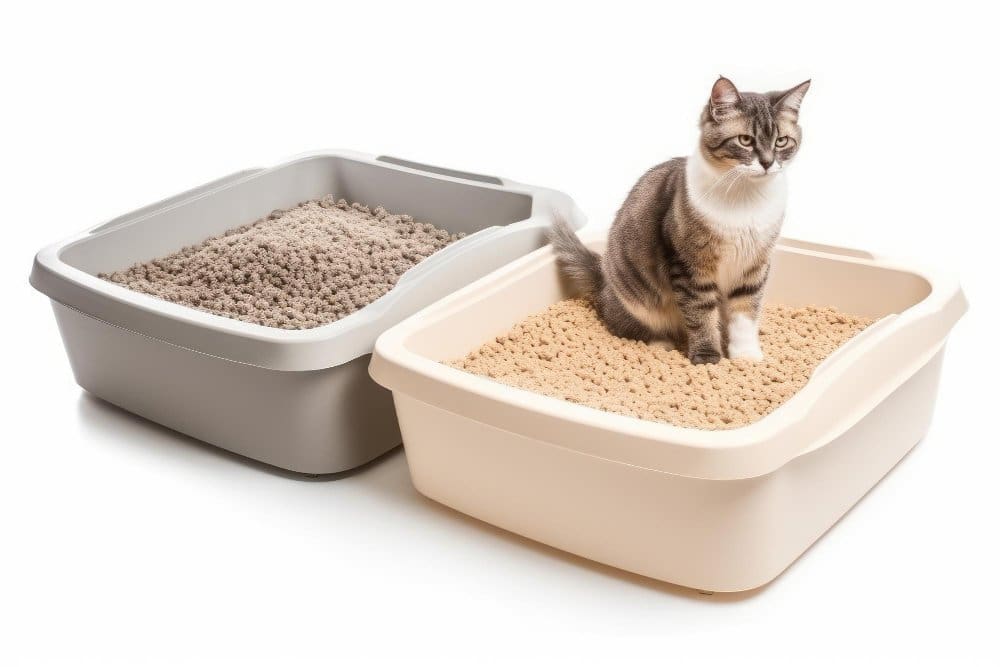
Cat litter health considerations help cat owners choose safer litter options by understanding dust levels, materials, and potential health effects.
Cat Litter Health Considerations
Are you a cat owner concerned about the health and environmental impacts of the cat litter you use? Look no further! In this article, we will explore the importance of choosing the right cat litter and how it can have a significant impact on both your furry friend’s well-being and the environment. Discover the various options available and make an informed decision that aligns with your values and priorities.
Factors to Consider When Choosing Cat Litter
Choosing the right cat litter involves considering several factors, such as composition, dustiness, odor control, clumping ability, tracking, cost, biodegradability, flushability, sustainability, and health concerns. Evaluating these factors ensures you make an informed decision that suits both you and your cat.
Cat litter health considerations are especially important for cats with respiratory sensitivity or allergies.
Composition: Exploring Different Materials
Different types of cat litter have varying impacts on its effectiveness and environmental footprints. Options range from clay-based to silica-based, natural plant-based, and recycled paper litters.
- Clay-based litters dominate the market. Typically, they come from sodium bentonite clay that clumps upon contact with moisture. They effectively clump and control odor but have a poor environmental footprint.
- Silica-based litters, or crystal litters, derive from processed silica gel. They’re excellent for odor control, but some cats dislike their texture.
- Natural plant-based litters use materials like corn, wheat, pine, or recycled newspaper. Environmentally friendly, they may not offer the best clumping or odor control.
- Recycled paper litters come from repurposed paper products, typically pellet forms. They’re environmentally friendly but may lack effectiveness in clumping and odor control.
Dustiness and Your Health
Considering litter dustiness protects both your health and your cat’s. Excessive dust can exacerbate respiratory issues or allergies. Many brands now produce low-dust alternatives, promoting healthier environments.
Odor Control: Keeping Things Fresh
Odor control is a primary consideration. Some litters use chemicals for neutralizing odors, while others utilize natural neutralizers. Whether you prefer scented or unscented litters, long-lasting odor control keeps homes fresher.
Clumping Ability for Easier Cleanup
The clumping capability of a litter affects clean-up. Clumping litters simplify waste removal, while non-clumping alternatives like recycled paper or silica-based ones absorb moisture and trap odor.
Managing Litter Tracking
To reduce tracking, consider using litter mats, higher-sided litter boxes, or litter trapping mats. These solutions capture stray granules and maintain cleaner home environments.
Cost: Finding Value
Cost plays a significant role in litter choice. Compare long-term costs, consider buying in bulk, and balance quality against the budget for the best results.
Biodegradability: Thinking Green
Eco-conscious cat owners should consider litter biodegradability. Litters like natural plant-based ones are sustainable and decompose naturally, while others might contribute to long-term landfill waste.
Flushability: Convenience vs. Plumbing
Flushable litters are convenient but consider their impact on plumbing systems. Those with septic systems especially need to ensure compatibility.
Health Concerns: Protecting All House Members
Select litters that won’t exacerbate allergies, asthma, or other sensitivities in both humans and pets. Avoid litters with known harmful ingredients for the well-being of everyone involved.
In conclusion, considering these factors will guide you in selecting the best cat litter for your household and feline companion.
By focusing on cat litter health considerations, owners can reduce long-term exposure risks and improve indoor air quality.
Additional Considerations When Choosing Cat Litter
When choosing cat litter, it is also important to consider factors such as tracking, odour control, and ease of cleaning. Some litter types may produce less dust but track more around the home, while others offer stronger odour control at the expense of heavier materials. Testing different options can help determine what works best for both the cat and the household environment. Regular cleaning of the litter box and monitoring your cat’s comfort can further support good hygiene and overall wellbeing.