
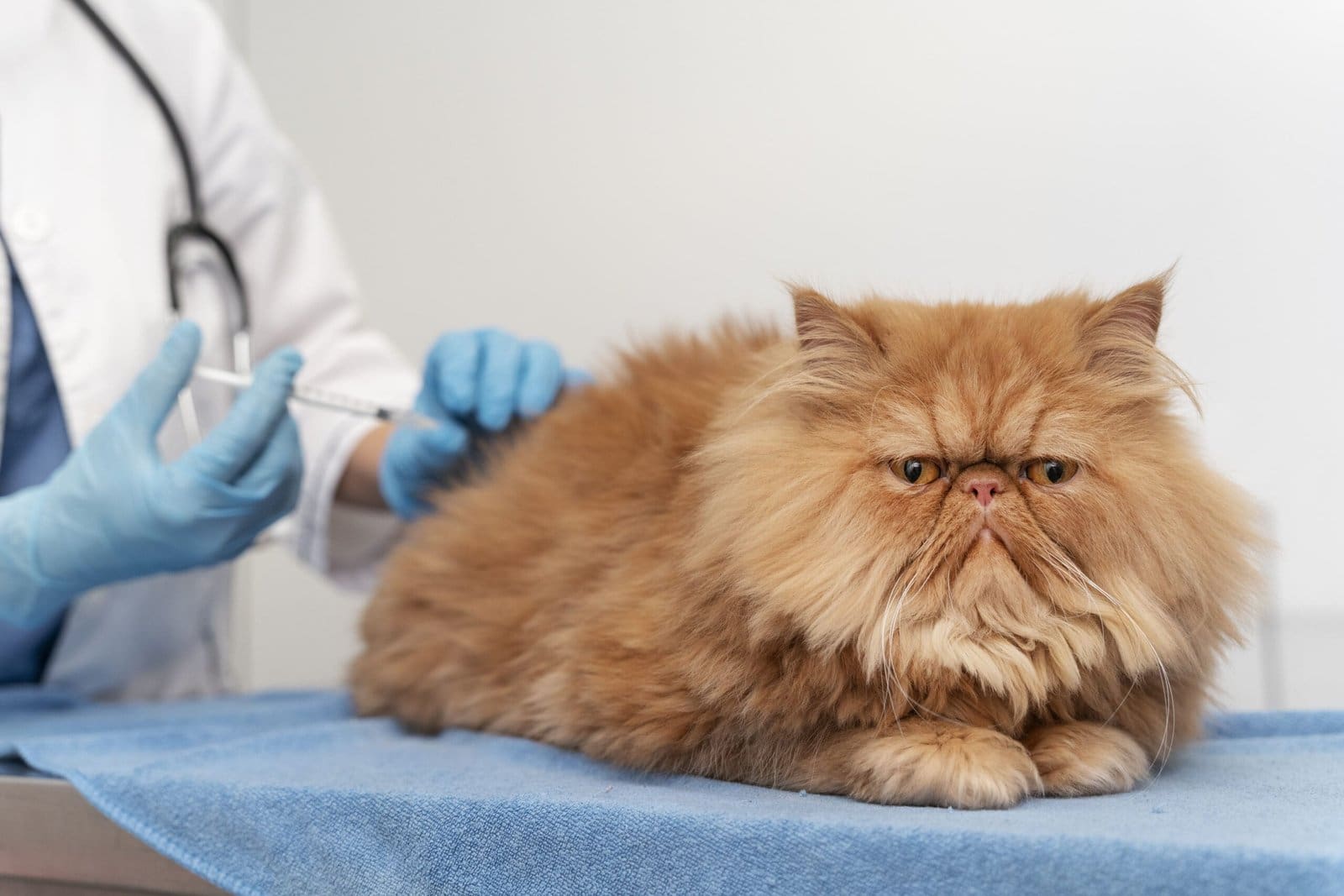
The vital role of vaccinations in cat health and longevity lies in their ability to protect cats from serious and potentially life-threatening diseases. Routine vaccinations help strengthen a cat’s immune system, reduce the spread of infectious illnesses, and support a longer, healthier life.
You already know that your furry feline friend holds a special place in your heart. You want nothing more than for them to live a long and healthy life. That’s why understanding the vital role of vaccinations in cat health and longevity is crucial. Vaccinations not only protect your beloved pet from dangerous diseases but also help prevent the spread of illness. In this article, we will explore the significance of vaccinations in ensuring the well-being of your cat and why regular immunizations are an essential part of responsible pet ownership. So, brace yourself and get ready to discover how vaccinations can be the key to keeping your feline companion healthy and happy for years to come.
The Vital Role of Vaccinations in Cat Health & Longevity
Vaccinations play a key role in maintaining cat health by preventing infectious diseases that can shorten lifespan. Regular vaccination schedules help cats stay protected throughout different life stages, especially kittens and senior cats.
The Importance of Vaccinations for Cats
Cats are beloved pets and cherished members of our families. As pet owners, it is our responsibility to ensure their health and well-being. One crucial way to protect our feline friends is through vaccinations. Vaccinations play an essential role in preventing life-threatening diseases, providing protection against infectious agents, and building a strong immune system in cats.
Prevention of Life-Threatening Diseases
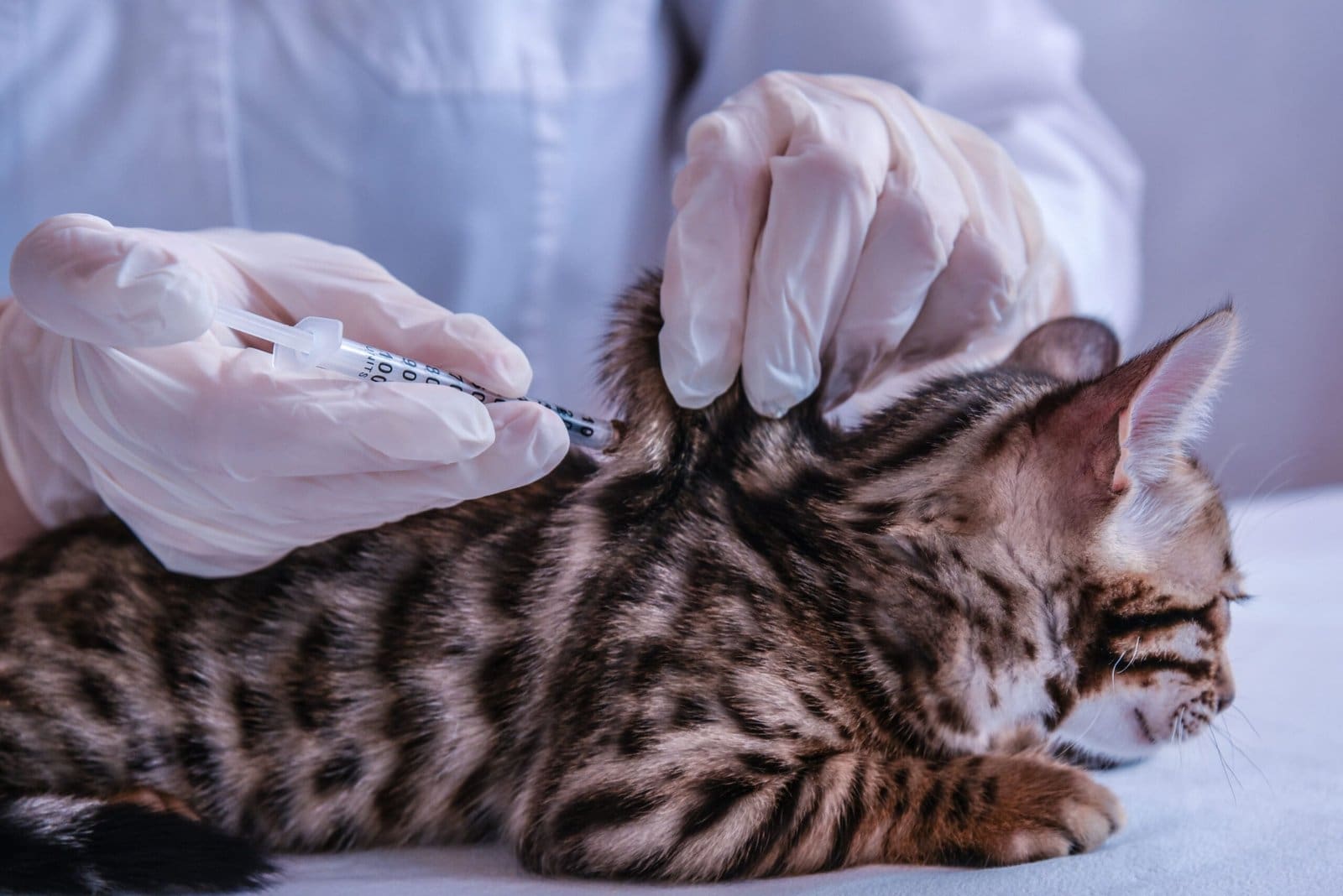
Vaccinations are a key tool in preventing life-threatening diseases in cats. By administering vaccines, we can safeguard our furry companions from illnesses that can have devastating consequences on their health and longevity. Vaccines stimulate the immune system to recognize and fight off specific diseases, thus preventing infection and reducing the severity of the illness should exposure occur.
Protection Against Infectious Agents
Cats are susceptible to a wide range of infectious agents that can cause serious illnesses. Vaccinations offer vital protection against these pathogens, preventing the spread of diseases within the feline population. By ensuring our cats are properly vaccinated, we can reduce the risk of exposure to common infectious agents such as feline viral rhinotracheitis, calicivirus, panleukopenia, feline leukemia virus, rabies, and Bordetella.
Building the Immune System
In addition to preventing specific diseases, vaccinations also aid in building a strong immune system in cats. Vaccines contain antigens that stimulate the immune system to produce an immune response. This response helps in developing antibodies and memory cells that recognize and respond to future encounters with the disease-causing agent. By building immunity, vaccines ensure that cats are better equipped to fend off infections and recover more quickly if they do occur.
Common Vaccines for Cats
Several vaccines are essential for safeguarding the health of our feline companions. These vaccines have been extensively researched and proven effective in preventing diseases that can be debilitating or even fatal to cats. Understanding the purpose and benefits of each vaccine is crucial for making informed decisions about your cat’s vaccination needs.
Feline Viral Rhinotracheitis Vaccine
The feline viral rhinotracheitis vaccine provides protection against a highly contagious respiratory disease caused by the feline herpesvirus. This virus can cause severe upper respiratory symptoms, including sneezing, nasal discharge, and conjunctivitis. Vaccinating your cat against feline viral rhinotracheitis is instrumental in preventing the spread of this disease and minimizing its impact on your feline friend’s health.
Calicivirus Vaccine
Calicivirus is another common cause of respiratory disease in cats. It can lead to symptoms like oral ulcers, fever, and respiratory distress. The calicivirus vaccine provides essential protection against this infectious agent, reducing the severity of the disease and helping your cat recover more quickly if exposed.
Panleukopenia Vaccine
Panleukopenia, also known as feline distemper, is a highly contagious and potentially fatal disease. It affects the intestinal tract, bone marrow, and other organs, causing severe vomiting, diarrhea, and dehydration. Vaccinating your cat against panleukopenia is critical in preventing this devastating disease and ensuring their overall well-being.
Feline Leukemia Virus Vaccine
Feline leukemia virus (FeLV) is a leading cause of illness and death in cats. It can weaken the immune system, leading to the development of various infections and certain types of cancer. Vaccinating against FeLV is essential, especially for outdoor cats or those living in multi-cat environments, as it reduces the risk of transmission and provides vital protection against this life-threatening virus.
Rabies Vaccine
Rabies is a zoonotic disease that poses a threat not just to our cats but also to humans and other animals. Vaccinating your cat against rabies is not only a legal requirement in many jurisdictions but also a vital measure for public health and safety. The rabies vaccine provides protection against this deadly virus, ensuring the well-being of your cat and reducing the risk of transmission to humans or other animals.
Bordetella Vaccine
Bordetella bronchiseptica is a bacterium that contributes to upper respiratory tract infections in cats, commonly known as kennel cough. This vaccine is typically recommended for cats that frequently come into contact with other animals, such as those attending boarding facilities or participating in shows and events. By vaccinating against Bordetella, you can help protect your cat from this contagious respiratory disease.
Frequency and Timing of Vaccinations
Vaccination schedules differ depending on the age and health status of the cat. It is essential to follow the recommended guidelines provided by your veterinarian to ensure your cat receives the necessary vaccinations at the appropriate times. Here is a general overview of vaccination schedules for kittens and adult cats.
Kitten Vaccination Schedule
Kittens receive a series of vaccinations in their first few months of life to help build their immunity. The initial round of vaccinations usually begins around six to eight weeks of age. The core vaccines, including those for feline viral rhinotracheitis, calicivirus, panleukopenia, and FeLV, are typically administered as a combination vaccine known as the FVRCP vaccine. Boosters are given every three to four weeks until the kitten reaches around 16 weeks of age.
Adult Cat Vaccination Schedule
Once a cat reaches adulthood, boosters are recommended to maintain their immunity. The frequency of boosters may vary depending on the vaccine and the individual cat’s risk factors. Core vaccines, such as those for rabies and FVRCP, are typically given once every one to three years. Your veterinarian will assess your cat’s lifestyle, environment, and overall health to determine the most appropriate vaccination schedule.
Booster Shots
Booster shots are an essential component of vaccination protocols for cats. These additional doses help to reinforce the immune response and maintain adequate levels of protection. Regular booster shots ensure that the cat’s immunity remains strong and able to defend against potential infections. It is crucial to adhere to the recommended booster schedules provided by your veterinarian to ensure your cat’s continued protection.
Vaccine Side Effects
Like any medical intervention, vaccinations can sometimes result in side effects. It is important to be aware of the potential reactions and promptly seek veterinary care if your cat experiences any unusual symptoms after receiving a vaccine. Most side effects are mild and resolve quickly, but some can be severe or indicate an allergic reaction.
Mild Reactions
Mild reactions to vaccines are relatively common and usually resolve without intervention. These reactions may include mild lethargy, a temporary decrease in appetite, and local swelling or soreness at the injection site. These symptoms typically subside within a day or two and should not cause significant concern. However, if the symptoms persist or worsen, it is important to consult your veterinarian.
Severe Reactions
While rare, severe reactions to vaccines can occur. These reactions may manifest as persistent vomiting or diarrhea, difficulty breathing, facial swelling, hives, or collapse. If your cat exhibits any of these symptoms, it is crucial to seek immediate veterinary attention. Severe reactions can be life-threatening and require prompt intervention to ensure the well-being of your cat.
Allergic Reactions
Allergic reactions to vaccines are uncommon but can occur in some individuals. These reactions may range from mild itching or skin irritation to more severe symptoms such as difficulty breathing, weakness, or collapse. If your cat shows signs of an allergic reaction, it is important to contact your veterinarian immediately. Your veterinarian can help determine the cause of the reaction and recommend appropriate treatment options.
Overcoming Vaccine Fear and Misconceptions
Despite the well-established benefits of vaccinations, there are common misconceptions that can lead to fear or hesitation when considering vaccinating your cat. Addressing and dispelling these misconceptions is crucial for making informed decisions about your cat’s health.
Misconception 1: Vaccinations Are Not Necessary for Indoor Cats
One common misconception is that indoor cats do not require vaccinations since they have limited exposure to infectious agents. However, even indoor cats can be at risk of diseases brought in by humans, other animals, or pests. Additionally, cats may occasionally escape or come into contact with wildlife carrying infectious diseases. Vaccinations are essential for providing comprehensive protection, regardless of whether your cat primarily resides indoors or ventures outside.
Misconception 2: Vaccines Cause Health Problems
Another misconception is that vaccines can cause health problems in cats. While vaccines can have side effects, the benefits of vaccination in preventing serious and potentially fatal diseases far outweigh the risks. Vaccines undergo rigorous testing and are continually monitored for safety. Adverse reactions are rare, and the majority of cats experience only mild and temporary side effects, if any.
Misconception 3: Vaccines Provide Lifetime Immunity
Some cat owners believe that a single vaccination provides lifelong immunity against a specific disease. However, the duration of immunity varies depending on the vaccine and the individual cat’s immune response. While some vaccines provide long-lasting protection, others require periodic boosters to maintain immunity. It is important to follow the recommended vaccination schedules provided by your veterinarian for optimal protection.
Ensuring Proper Vaccination
Ensuring proper vaccination for your cat involves a few key steps. By consulting with a veterinarian, following recommended guidelines, and keeping thorough records, you can help ensure your cat receives the necessary vaccinations and stays protected.
Consulting with a Veterinarian
Consulting with a veterinarian is essential for determining your cat’s specific vaccination needs. Your veterinarian can assess your cat’s health, lifestyle, and risk factors to recommend the most appropriate vaccines and vaccination schedule. They can also address any concerns or questions you may have, providing personalized guidance to keep your cat healthy.
Following Recommended Guidelines
Following the recommended vaccination guidelines is crucial to ensure your cat receives the necessary vaccines at the appropriate times. Different vaccines have specific timing and intervals, and adhering to these guidelines is vital for optimal protection. Your veterinarian will provide you with a comprehensive vaccination schedule and reminders for booster shots to help keep your cat on track.
Keeping Vaccine Records
Keeping accurate and up-to-date vaccine records is essential for the well-being of your cat. Vaccine records serve as a valuable reference for monitoring your cat’s immunization history and ensuring they receive the necessary boosters. Additionally, vaccine records may be required for various activities such as boarding, grooming, or participating in cat shows. Having readily accessible records can streamline these processes and ensure your cat’s overall health and safety.
Potential Risks of Not Vaccinating
Choosing not to vaccinate your cat can have serious consequences for their health and the well-being of those around them. Understanding the potential risks of not vaccinating is essential for making informed decisions regarding your cat’s vaccinations.
Increased Susceptibility to Diseases
Without proper vaccinations, cats become highly susceptible to a variety of life-threatening diseases. The absence of immunization leaves them vulnerable to infections that can lead to severe illness, long-term health complications, or even death. By not vaccinating, you place your cat at unnecessary risk and compromise their overall well-being.
Spread of Diseases to Other Cats
Unvaccinated cats can become carriers of infectious diseases. This puts not only them at risk but also other cats they come into contact with. By not vaccinating your cat, you not only endanger their health but also contribute to the spread of diseases within the feline population. Protecting your cat through vaccination is a crucial step in preventing the transmission of diseases to other cats.
Financial and Emotional Burden
Not vaccinating your cat can also lead to significant financial and emotional burdens. The treatment of preventable diseases can be costly, requiring extensive veterinary care, medications, and hospitalization. Furthermore, watching your cat suffer from a preventable illness can be emotionally distressing. By vaccinating your cat, you can proactively protect their health, avoid financial strain, and maintain a positive emotional bond.
Contemporary Vaccine Research and Development
Advancements in vaccine technologies are continually being made to further improve feline health and longevity. Ongoing research and development contribute to the identification of new vaccines and the improvement of existing ones, ensuring the highest level of protection for our feline friends.
Advancements in Vaccine Technologies
Recent advancements in vaccine technologies have resulted in safer and more effective vaccines for cats. These advancements include the development of non-adjuvanted vaccines, which minimize the risk of injection-site reactions, and the use of recombinant vaccines, which provide targeted protection against specific disease-causing agents. These technological advancements continue to enhance the efficacy and safety of vaccines, further benefiting the health and longevity of cats.
New Vaccines on the Horizon
Researchers are constantly working on developing new vaccines to address emerging diseases and enhance protection against existing ones. New vaccines against diseases such as feline immunodeficiency virus (FIV) and feline infectious peritonitis (FIP) are being studied and hold the promise of improved prevention and treatment options for these challenging conditions. Staying informed about the latest advancements in feline vaccines can help ensure your cat receives the most comprehensive protection available.
Importance of Continued Research
Continued research in the field of feline vaccines is crucial for staying ahead of infectious diseases and improving vaccination protocols. Research focuses on various aspects, including vaccine efficacy, safety, duration of immunity, and the development of new vaccine technologies. By supporting and participating in vaccine research, we contribute to the advancement of feline health and the prevention of debilitating diseases.
Vaccination in Multi-Cat Environments
In multi-cat environments such as catteries, shelters, or households with multiple cats, managing vaccination becomes especially important. Implementing appropriate vaccination strategies helps protect the health of all cats involved and ensures the overall well-being of the feline community.
Importance of Group Immunity
Group immunity, also known as herd immunity, is crucial in multi-cat environments. When a significant proportion of the cat population is vaccinated, the spread of infectious diseases is greatly reduced, benefiting even those who are not vaccinated. By ensuring all cats in a multi-cat environment are properly vaccinated, we can create a safer and healthier space for our feline companions.
Vaccination Strategies for Shelters and Catteries
Shelters and catteries face unique challenges when it comes to managing the health of multiple cats. Vaccination is a key component in disease prevention, and adhering to a comprehensive vaccination protocol is essential. Shelter and cattery operators should consult with a veterinarian to determine the most effective vaccination strategies based on their specific needs, considering factors such as population size, turnover rate, and common diseases.
Managing Vaccination in Multiple Cat Households
In households with multiple cats, coordinating vaccinations can be a juggling act. It is crucial to ensure that all cats receive the necessary vaccines and boosters to maintain their individual and collective immunity. Consulting with a veterinarian can help establish a vaccination schedule that accounts for each cat’s needs while considering any potential interactions or disease exposure risks within the household.
Conclusion
Vaccinations play a critical role in the health and well-being of our beloved feline companions. By preventing life-threatening diseases, providing vital protection against infectious agents, and building a strong immune system, vaccinations help ensure a long and healthy life for our cats. Understanding the importance of vaccines, following recommended schedules, and addressing any misconceptions or fears can help pet owners make informed decisions and provide the best care for their furry friends. By prioritizing vaccinations and staying up-to-date with contemporary research, we can contribute to a brighter future for feline health and longevity.