

Feline Dental Care: Key Steps for a Healthy Kitty Smile begin with regular oral hygiene, proper nutrition, and early detection of dental issues. Good dental care helps prevent plaque buildup, gum disease, and discomfort, supporting long-term health in cats.
Feline Dental Care: Key Steps for a Healthy Kitty Smile
Consistent dental care routines help maintain clean teeth, healthy gums, and fresh breath in cats. Early dental care reduces the risk of painful oral conditions and contributes to overall wellbeing.
Taking care of your cat’s dental health is crucial for their overall well-being. Just like humans, cats can also suffer from dental issues such as tartar buildup, gum disease, and tooth decay. In this article, we will explore some key steps that you can take to ensure your furry friend maintains a healthy kitty smile. From regular brushing to providing dental-friendly treats, we will guide you on how to keep your cat’s teeth clean and their smile bright. So, let’s start taking care of those precious feline teeth!
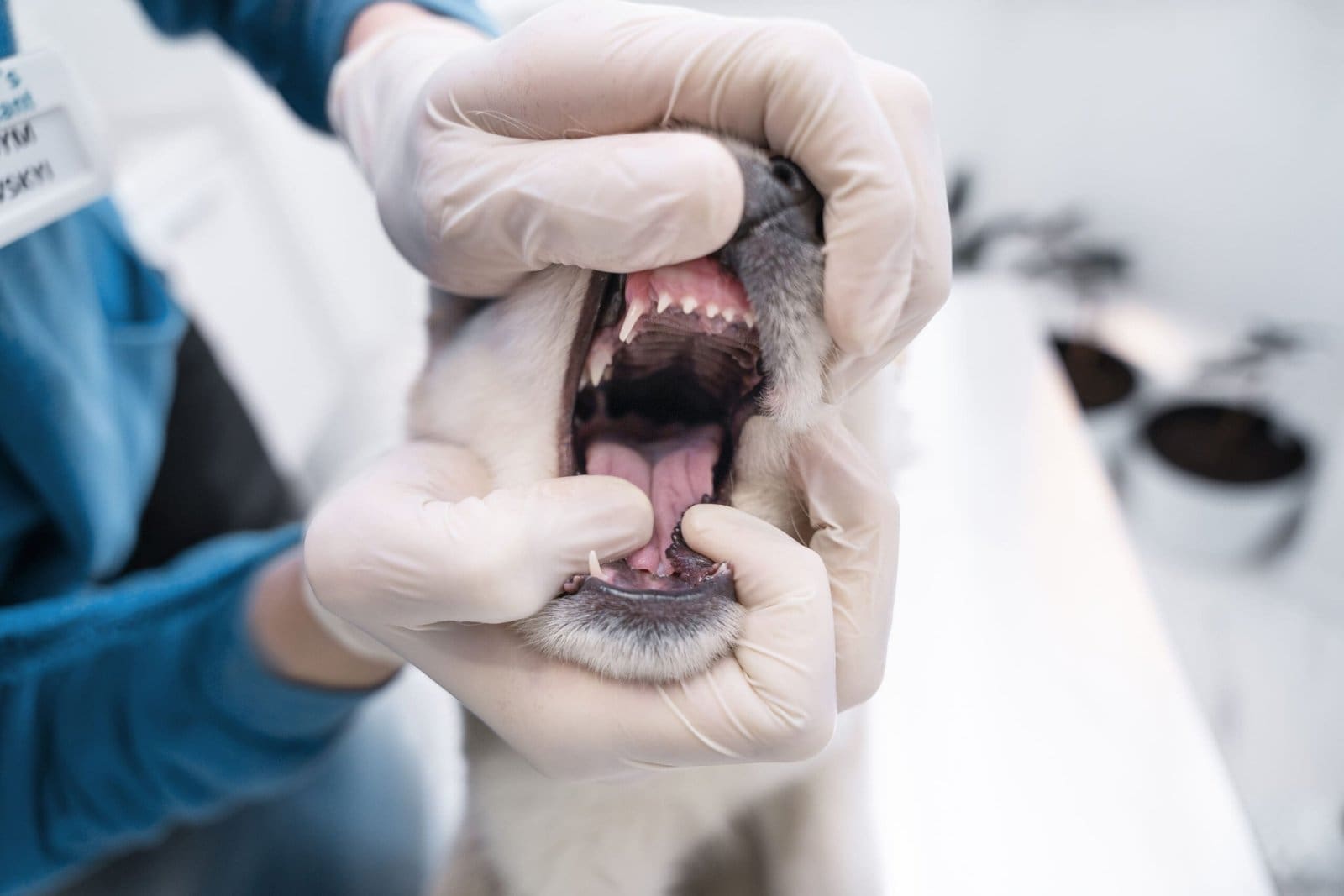
Importance of Feline Dental Care
Preventing dental disease
Proper feline dental care is essential for preventing dental disease in cats. Just like humans, cats can develop various dental problems, including tooth decay, gum disease, and oral infections. Neglecting their dental health can lead to discomfort, pain, and even more serious health issues. By establishing a regular dental care routine, you can help prevent these problems and ensure that your feline companion maintains a healthy smile.
Maintaining overall health
Good feline dental care goes beyond just oral hygiene. It plays a crucial role in maintaining your cat’s overall health. Dental disease can have a negative impact on various organs, such as the heart, liver, and kidneys. Bacteria from infected gums can enter the bloodstream and spread to other parts of the body, increasing the risk of systemic health issues. By taking care of your cat’s dental health, you are also promoting their overall well-being.
Improving quality of life
When your cat has a healthy mouth, it directly improves their quality of life. Dental problems can cause significant pain and discomfort, leading to changes in behavior and appetite. Cats with dental issues may experience difficulties eating or become more irritable. By prioritizing feline dental care, you can ensure that your cat enjoys a pain-free and comfortable life.
Signs of Dental Problems in Cats
Halitosis (bad breath)
One of the most common signs of dental problems in cats is bad breath, also known as halitosis. While some degree of odor is normal for cats, a persistently foul smell can indicate dental issues. The accumulation of bacteria, plaque, and tartar in the mouth can lead to an unpleasant smell. If your cat’s breath is consistently unpleasant, it’s important to pay attention and seek veterinary advice.
Drooling excessively
Excessive drooling in cats can also be a sign of dental problems. While some cats naturally have more saliva than others, if you notice a sudden and significant increase in drooling, it could indicate oral discomfort. Dental issues such as gum disease or oral infections can cause excessive drooling, so it’s crucial to keep an eye on this symptom.
Loss of appetite
Cats are known for their selective eating habits, but a sudden loss of appetite can indicate dental problems. Painful teeth or gums can make eating uncomfortable, leading to a decrease in food intake. If your cat is consistently avoiding their meals or showing disinterest in eating, it may be a sign that they are experiencing dental issues.
Visible tartar or plaque
One of the most obvious signs of dental problems in cats is the presence of visible tartar or plaque on their teeth. Tartar appears as a yellow or brownish build-up on the tooth surface, while plaque is a soft, sticky film that can accumulate along the gum line. Regularly checking your cat’s teeth and gums can help you identify these signs early on.
Red or swollen gums
Healthy gums should appear pink and firm. If you notice that your cat’s gums are red, swollen, or bleeding, it could indicate the presence of dental problems. Inflamed gums are often a sign of gingivitis or gum disease, which require prompt attention and treatment.
Pawing at the mouth
Cats may paw at their mouths if they are experiencing dental pain or discomfort. Pay attention if your cat starts pawing at their mouth frequently or seems to be rubbing their face against objects. This behavior can indicate that they are attempting to alleviate the discomfort caused by dental problems.
Behavioral changes
Dental problems can cause changes in a cat’s behavior. They may become more irritable, aggressive, or withdraw from social interactions. If you notice any sudden changes in your cat’s behavior, it’s important to consider the possibility of dental issues and seek veterinary advice.
Routine Home Dental Care for Cats
Brushing their teeth
Brushing your cat’s teeth is one of the most effective ways to maintain their dental health. Use a soft-bristle toothbrush specifically designed for cats and a toothpaste formulated for feline use. Start by introducing tooth brushing gradually, allowing your cat to get accustomed to the process. Aim to brush their teeth at least three times a week to remove plaque and prevent tartar buildup.
Using dental wipes or pads
If your cat is resistant to tooth brushing, you can use dental wipes or pads as an alternative. These products are designed to clean the teeth and gums by gently wiping away plaque and debris. Simply wrap the wipe or pad around your finger and gently rub it along your cat’s teeth and gum line. While not as effective as brushing, dental wipes can still provide some level of oral hygiene.
Offering dental treats or toys
There are specially formulated dental treats and toys available that can help promote oral hygiene in cats. These treats and toys are designed to reduce plaque and tartar buildup by encouraging chewing and stimulating saliva production. When choosing dental treats or toys, look for products approved by veterinary professionals.
Adding dental supplements to their diet
Dental supplements can be beneficial in promoting your cat’s dental health. These supplements often contain ingredients that help reduce plaque formation and support healthy teeth and gums. Always consult with your veterinarian before adding any supplements to your cat’s diet to ensure they are safe and appropriate.
Providing a balanced diet
A balanced diet plays a vital role in maintaining your cat’s overall health and dental hygiene. Choose high-quality cat food that is formulated to promote dental health. Look for options that are specifically designed to reduce plaque and tartar buildup. Avoid feeding your cat a diet consisting solely of soft or wet food, as this can increase the risk of dental problems.
Professional Veterinary Dental Care
Regular dental check-ups
Regular dental check-ups with a veterinarian are crucial for maintaining your cat’s dental health. During these check-ups, the veterinarian will thoroughly examine your cat’s teeth, gums, and oral cavity, looking for any signs of dental disease. Early detection of dental problems allows for prompt treatment and can prevent more advanced issues from developing.
Professional teeth cleaning (scaling and polishing)
Professional teeth cleaning, also known as scaling and polishing, is an important part of veterinary dental care. This procedure involves the removal of plaque and tartar from your cat’s teeth, both above and below the gum line. It is performed under anesthesia to ensure your cat’s comfort and safety. Professional teeth cleaning is typically recommended once a year or as advised by your veterinarian.
Dental X-rays
Dental X-rays are a valuable tool in evaluating your cat’s dental health. X-rays can reveal hidden issues, such as tooth root infections, fractures, or resorptive lesions, that may not be visible during a regular dental exam. These diagnostics help guide treatment decisions and ensure the best possible care for your cat’s oral health.
Tooth extractions or oral surgery if necessary
In some cases, dental problems may require tooth extractions or oral surgery. This can include the removal of severely damaged or diseased teeth, treatment of oral tumors, or addressing conditions such as stomatitis. Your veterinarian will recommend the appropriate course of action based on your cat’s specific dental needs.
Common Dental Problems in Cats
Periodontal disease
Periodontal disease is one of the most common dental problems in cats. It involves the inflammation and infection of the tissues supporting the teeth, including the gums, periodontal ligaments, and jawbone. Without proper treatment, periodontal disease can lead to tooth loss and more severe health complications.
Gingivitis
Gingivitis refers to the inflammation of the gums and is often the precursor to periodontal disease. It is typically caused by the buildup of plaque and tartar along the gum line. If left untreated, gingivitis can progress to more advanced stages of periodontal disease.
Tooth resorption
Tooth resorption is a painful condition in which the body starts breaking down and reabsorbing a tooth. The exact cause of tooth resorption is still not fully understood, but it is believed to be related to immune system dysfunction. Regular dental exams and X-rays are essential in detecting and treating tooth resorption early on.
Feline odontoclastic resorptive lesions (FORLs)
FORLs are a specific type of tooth resorption that commonly affects cats. These lesions can develop on any tooth in the mouth and cause significant pain and discomfort. Tooth extraction is often necessary to alleviate the pain associated with FORLs.
Stomatitis
Stomatitis is a severe inflammation of the oral cavity that affects the gums, tongue, and other oral tissues. It is often a result of an immune-mediated response to bacterial plaque. Treatment for stomatitis can involve a combination of dental care, medication, and possibly tooth extractions.
Broken or fractured teeth
Cats can experience broken or fractured teeth due to various reasons, such as trauma or chewing on hard objects. Broken teeth can be painful and provide a gateway for bacteria to enter the dental pulp. Treatment may involve dental bonding, crowns, or extractions depending on the severity of the fracture.
Best Practices for Brushing Your Cat’s Teeth
Getting the right tools
When it comes to brushing your cat’s teeth, it’s important to have the right tools. Purchase a toothbrush specifically designed for cats, with soft bristles and a small head. Avoid using human toothpaste, as it may contain ingredients that are harmful to cats. Instead, choose a toothpaste formulated for feline use, with flavors that are appealing to cats, such as poultry or fish.
Introducing tooth brushing gradually
Introducing tooth brushing gradually is key to ensuring your cat is comfortable with the process. Start by simply allowing your cat to sniff and explore the toothbrush and toothpaste. Next, gently touch their teeth and gums with your finger to get them used to the sensation. Finally, gradually introduce the toothbrush, starting with just a few seconds of brushing and gradually increasing the duration over time.
Choosing an appropriate toothpaste
When selecting a toothpaste for your cat, choose one that is specifically formulated for feline use. These toothpastes are safe if swallowed and come in flavors that are appealing to cats. Avoid using human toothpaste, as it often contains ingredients that can be toxic to cats.
Developing a positive dental care routine
Make tooth brushing a positive experience for your cat by associating it with rewards and praise. Offer treats or play with your cat’s favorite toy before and after each brushing session. Establish a consistent schedule for tooth brushing, making it a part of your daily routine. Cats thrive on routine, so incorporating dental care into their daily life will help them accept and even enjoy the process.
Seeking professional guidance if needed
If you’re having difficulty brushing your cat’s teeth or your cat is resistant to tooth brushing, don’t hesitate to seek professional guidance. Your veterinarian can provide valuable tips and techniques to make the process easier. They may also recommend alternative dental care options, such as dental wipes or water additives, that can help maintain your cat’s oral health.
Alternatives to Tooth Brushing
Using dental wipes or pads
If your cat is not comfortable with tooth brushing or it is not feasible for your cat’s specific needs, dental wipes or pads can be an alternative. These products are designed to clean the teeth and gums by gently wiping away plaque and debris. While not as effective as brushing, using dental wipes can still provide some level of oral hygiene.
Water additives for oral health
Water additives are products that can be added to your cat’s drinking water to promote oral health. These additives often contain enzymes or antimicrobial agents that help inhibit plaque formation and reduce bacteria in the mouth. Consult with your veterinarian to find a water additive that is safe and suitable for your cat.
Dental diets and treats
There are specially formulated dental diets and treats available that can help promote oral hygiene in cats. These products have a crunchy texture and often contain ingredients that aid in plaque removal. Dental diets and treats can be a convenient way to support your cat’s dental health, but they should not replace regular dental care practices like tooth brushing.
Chewing dental toys or bones
Chewing on dental toys or bones can help clean your cat’s teeth and stimulate saliva production. Look for toys or bones specifically designed for dental health, as they are typically textured and have ridges that can aid in plaque removal. Always supervise your cat while they are chewing to ensure they don’t accidentally swallow or choke on any small pieces.
Preventive Measures for Dental Health
Regular dental exams
Regular dental exams by a veterinarian are crucial for preventing and detecting dental problems early on. Schedule regular check-ups for your cat to ensure their teeth and gums are in good health. Your veterinarian will perform a thorough examination, clean their teeth if necessary, and provide recommendations for home dental care.
Providing appropriate chew toys
Chew toys can help promote oral health in cats. Choose toys that are specifically designed for chewing and have textured surfaces that can aid in plaque removal. Avoid toys that are too hard or small, as they can cause tooth fractures or be a choking hazard. Rotate the toys regularly to keep your cat engaged and maintain their interest.
Avoiding hard or abrasive food
Feeding your cat a diet consisting of mainly soft or wet food can increase the risk of dental problems. This type of food does not provide enough mechanical stimulation to clean the teeth effectively. Incorporate some dry food into your cat’s diet, as the crunching action can help remove plaque and tartar. However, be mindful of the size and texture of the kibble to prevent any dental issues.
Encouraging water consumption
Sufficient water consumption is essential for maintaining your cat’s dental health. Encourage your cat to drink an adequate amount of water by providing fresh water in clean bowls. Some cats prefer running water, so consider using a pet fountain to make water more appealing. Proper hydration helps prevent dry mouth and promotes saliva production, which helps cleanse the mouth and reduce the risk of dental problems.
Monitoring oral hygiene
Regularly monitor your cat’s oral hygiene to catch any early signs of dental problems. Spend time inspecting their teeth and gums, checking for any unusual discoloration, swelling, or signs of pain. If you notice any changes or have concerns about their dental health, reach out to your veterinarian for further guidance.
Symptoms That Require Immediate Veterinary Attention
Excessive drooling and pawing
Excessive drooling accompanied by frequent pawing at the mouth is a red flag for serious dental problems that require immediate veterinary attention. These symptoms can indicate severe pain or infection in the oral cavity and should not be ignored.
Refusing to eat or drink
If your cat consistently refuses to eat or drink, it could be a sign of a dental problem. Painful teeth or gums can make eating and drinking uncomfortable, leading to a decrease in food and water intake. Contact your veterinarian promptly if your cat refuses to eat or drink for an extended period of time.
Bleeding from the mouth
Bleeding from the mouth should always be taken seriously and requires immediate veterinary attention. It can be a sign of a dental injury, infection, or other underlying health issues. Do not attempt to treat bleeding from the mouth at home; consult your veterinarian for proper diagnosis and treatment.
Visible swelling or abscess
If you notice any visible swelling or abscess in your cat’s mouth, it is crucial to seek veterinary attention promptly. Swelling can indicate an infection or abscess that requires immediate treatment. Delaying veterinary care can lead to worsening of the condition and potential complications.
Conclusion
Prioritizing feline dental care is essential for maintaining your cat’s oral health and overall well-being. By preventing dental disease, you can help your cat live a pain-free and comfortable life. Regular dental check-ups, proper home dental care, and seeking veterinary guidance when needed are all essential steps to ensure your cat’s dental health. Remember, a healthy kitty smile starts with good dental care!