
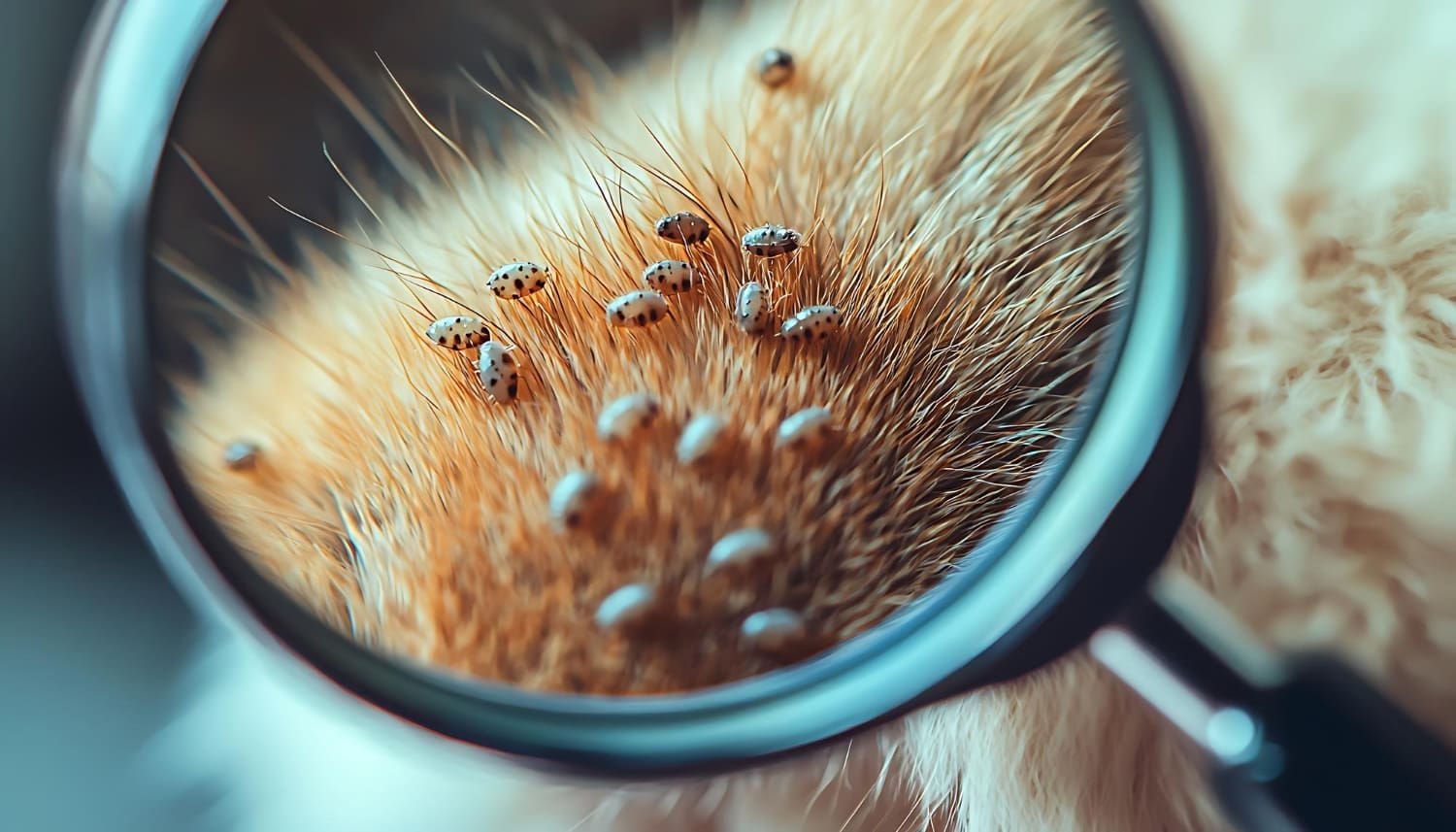
Are you tired of dealing with pesky fleas and ticks on your beloved pets? Look no further! In this article, we will explore the benefits of grooming as a key defense in managing these irritating pests. Regular grooming not only helps to keep your furry friends looking their best, but it also plays a vital role in preventing flea and tick infestations. So, grab your brushes and get ready to discover how grooming can be your secret weapon in the battle against these tiny invaders.
Managing Fleas and Ticks: Benefits of Grooming
Grooming your pet has numerous benefits, especially when it comes to managing fleas and ticks. By regularly grooming your furry friend, you can effectively remove fleas and ticks from their coat, preventing infestations and potential health risks. Additionally, grooming allows you to detect early signs of flea and tick presence, ensuring prompt treatment and preventing the spread of these pesky parasites.
Removing Fleas and Ticks
One of the primary benefits of grooming is the ability to remove fleas and ticks from your pet’s coat. Fleas and ticks can easily latch onto your pet while they explore the outdoors, and if left unchecked, can lead to infestations and various health complications. Regularly using flea combs and tick removal tools during grooming sessions enables you to meticulously inspect your pet’s fur and eliminate any unwelcome guests.
Preventing Infestations
By grooming your pet regularly, you significantly reduce the risk of flea and tick infestations. These parasites can quickly multiply and spread throughout your pet’s environment, causing discomfort and potential health issues. However, when you consistently groom your pet and actively remove any fleas or ticks, you disrupt their life cycle and prevent the infestation from taking hold. This not only protects your pet but also helps maintain a clean and comfortable living environment for both of you.
Detecting Early Signs of Fleas and Ticks
Grooming provides an excellent opportunity to detect the early signs of flea and tick presence on your furry companion. As you comb or inspect your pet’s coat, be on the lookout for small brown or black specks, known as flea dirt, which indicate the presence of fleas. Additionally, closely examine your pet’s skin for redness, itchiness, or small bumps, as these may be early signs of flea allergy dermatitis. Finding and addressing these signs promptly can prevent further infestation and alleviate any potential discomfort for your pet.
Grooming Tools and Products
To effectively manage fleas and ticks, it is essential to have the right grooming tools and products at your disposal. These tools are designed to help you remove parasites from your pet’s coat and maintain their overall cleanliness and health.
Flea Combs
Flea combs are a valuable tool for flea and tick management. These combs have fine teeth that can catch and remove both adult parasites and their eggs from your pet’s fur. Regularly combing through your pet’s coat with a flea comb not only helps in flea and tick removal but also promotes a healthy and shiny coat. Remember to focus on areas where fleas and ticks are commonly found, such as behind the ears, around the neck, and along the tail.
Tick Removal Tools
Ticks can be particularly tricky to remove, as they embed themselves into your pet’s skin. Having specialized tick removal tools, such as tick twisters or tick hooks, is crucial for safe and effective tick removal. These tools allow you to grasp the tick firmly at the head and carefully extract it, minimizing the risk of leaving any tick mouthparts behind. Remember to dispose of the ticks appropriately and disinfect the area after removal to prevent any potential infections.
Shampoos and Sprays
Using flea and tick shampoos and sprays during grooming sessions can provide an additional line of defense against these parasites. These products typically contain active ingredients that kill fleas and ticks on contact or disrupt their life cycle, effectively controlling infestations. When using these products, ensure they are specifically formulated for pets and follow the instructions carefully to avoid any adverse reactions. It is also worth noting that some shampoos and sprays provide residual protection, which can help repel fleas and ticks for an extended period after bathing.
Grooming Gloves
If your pet is not fond of traditional grooming tools, grooming gloves can be a great alternative. These gloves have soft rubber bristles that make grooming a more enjoyable experience for both you and your pet. The gloves help remove loose fur, dirt, and even small parasites like fleas and ticks. By petting and gently stroking your furry friend, you can effectively groom them while also providing them with a soothing massage.
Step-by-Step Grooming Process
Grooming your pet involves several steps that should be followed to ensure a thorough and effective grooming session. By following this step-by-step process, you can maintain your pet’s hygiene, minimize the chances of flea and tick infestations, and maximize the benefits of grooming.
Preparing Your Pet
Before you begin the grooming process, make sure your pet is calm and relaxed. Choose a quiet and comfortable location for the grooming session, and have all the necessary grooming tools and products within reach. Since some grooming procedures may take time, it is always a good idea to keep treats nearby to reward your pet’s cooperation.
Inspecting for Fleas and Ticks
Start the grooming session by inspecting your pet’s coat for any signs of fleas and ticks. Using your hands, gently pat and run your fingers through their fur, paying close attention to areas prone to infestations, such as the neck, armpits, and groin. Look for any fleas, ticks, flea dirt, or redness and irritation on the skin. If you notice anything unusual, take the necessary steps to remove the parasites or seek veterinary advice if needed.
Using Grooming Tools
Once you have inspected your pet thoroughly, it’s time to use the grooming tools appropriate for your pet’s needs. If fleas or ticks are present, begin by using a flea comb or tick removal tool to carefully eliminate the parasites. Make sure to comb through your pet’s entire coat, from head to tail, taking extra care in sensitive areas. If necessary, use grooming gloves or gently brush their fur to remove any remaining loose hair, dirt, or debris.
Bathing and Drying
If your pet’s coat requires a bath, choose a mild shampoo specifically formulated for pets and follow the instructions provided. Thoroughly wet your pet’s coat, apply the shampoo, and gently massage it into their fur, paying attention to hard-to-reach areas. Rinse your pet completely, ensuring no shampoo residue remains. After the bath, use a clean towel or a pet-friendly hairdryer to dry them thoroughly. Make sure their coat is completely dry, as dampness can create an environment where fleas and ticks thrive.
Final Inspection
After grooming and drying your pet, give them a final inspection to ensure you haven’t missed any fleas, ticks, or signs of irritation. Take a moment to observe their skin and coat, making sure everything looks healthy and free from parasites. If you have any concerns or notice anything out of the ordinary, consult with your veterinarian for further guidance.
Frequency of Grooming
The frequency of grooming largely depends on your pet’s individual needs and lifestyle factors. However, there are some general guidelines to help ensure you maintain a healthy grooming routine.
General Guidelines
For most pets, a grooming session once every two to four weeks is sufficient to keep their coat clean, free from parasites, and looking its best. However, certain breeds or pets with longer coats may require more frequent grooming to prevent matting and tangling. It’s important to strike a balance between keeping your pet well-groomed and avoiding excessive bathing, which can strip their coat of essential oils and cause dryness.
Considering Pet’s Lifestyle
Consider your pet’s lifestyle when deciding on the frequency of grooming. If your pet spends a lot of time outdoors, regularly exploring natural environments, they may be more prone to picking up fleas and ticks. In this case, more frequent grooming may be necessary to ensure prompt parasite removal and prevent infestations.
Seasonal Variations
Seasonal variations can also influence grooming frequency, particularly in areas with distinct weather patterns. During warmer months, when fleas and ticks are most active, more frequent grooming sessions may be necessary to stay ahead of these parasites. Additionally, pets with thick coats may benefit from more frequent grooming during hot summer months to prevent overheating.
Dealing with Flea Infestations
Even with diligent grooming, it is possible to encounter flea infestations. Early identification and appropriate actions are crucial in managing these infestations effectively.
Identifying Infestations
If you notice excessive scratching, biting, or visible irritation on your pet, a flea infestation may be the cause. Look closely at your pet’s coat for fleas, flea dirt, or signs of flea bites, such as small red bumps or irritated skin. Additionally, you may spot fleas jumping on your pet or around your home. Identifying these signs early on allows you to take swift action and prevent the infestation from spreading.
Consulting a Veterinarian
If you suspect a flea infestation or are unsure how to handle the situation, it is best to consult with your veterinarian. They can confirm the presence of fleas, diagnose any related conditions like flea allergy dermatitis, and provide you with appropriate treatment options. Your veterinarian can also advise you on the best course of action to eliminate fleas from both your pet and your home.
Using Flea Treatments
To effectively eliminate fleas, your veterinarian may recommend using flea treatments, such as spot-on treatments or oral medications. These treatments are designed to kill fleas at various stages of their life cycle and provide extended protection. It is crucial to follow your veterinarian’s instructions and choose treatments specifically formulated for your pet’s species and weight. Additionally, treating all pets in your household simultaneously is essential to prevent reinfestations.
Treating the Environment
Fleas can easily infest your pet’s environment, so it is crucial to address any potential flea hotspots in your home. Wash your pet’s bedding, blankets, and any other washable items on a hot cycle to kill any fleas or eggs. Vacuum your home thoroughly, paying special attention to areas where your pet spends a lot of time. After vacuuming, empty the vacuum bag or canister outside to prevent any captured fleas from reinfesting your home.
Preventing Reinfestation
Preventing reinfestation is a key aspect of managing flea infestations. Regularly grooming and inspecting your pet for fleas, using preventive flea treatments, and maintaining a clean living environment are all essential. Additionally, consider using products like flea collars or flea sprays to repel and deter fleas from your pet. Outdoor preventive measures, such as keeping your yard tidy and free from debris, can also reduce the chances of fleas finding their way onto your pet.
Tick Prevention and Removal
Ticks are common external parasites that can transmit diseases to both pets and humans. Preventing tick infestations and promptly removing any ticks found on your pet are crucial in protecting their health.
Using Tick Prevention Products
There are various tick prevention products available that can help protect your pet from tick bites. These products typically come in the form of spot-on treatments, collars, or oral medications. They work by repelling ticks or killing them upon contact. Consult with your veterinarian to determine the most suitable tick prevention product for your pet based on their age, species, and overall health. Remember to use these products consistently and according to the manufacturer’s instructions for optimal effectiveness.
Performing Regular Tick Checks
Regularly checking your pet for ticks is crucial, especially after they have spent time outdoors in tick-prone areas. Run your hands over your pet’s entire body, feeling for any small bumps or unusual lumps. Pay special attention to areas where ticks are commonly found, such as the head, neck, ears, and underbelly. If you find a tick, take immediate action to remove it safely and prevent any potential transmission of tick-borne diseases.
Safe Tick Removal Techniques
When removing ticks from your pet, it is essential to use safe and effective techniques to minimize the risk of injury or disease transmission. Use specialized tick removal tools, such as tick twisters or tick hooks, to grasp the tick as close to the skin as possible. Apply gentle, steady pressure and twist the tick removal tool in a clockwise motion to release the tick from your pet’s skin. Avoid squeezing or crushing the tick, as this may cause it to regurgitate harmful pathogens. After removal, disinfect the area and dispose of the tick appropriately.
Other Preventive Measures
In addition to grooming and using specific products for flea and tick prevention, there are several other measures you can take to minimize the risk of infestations and keep your home environment clean and healthy for your pet.
Maintaining a Clean Living Environment
Regularly cleaning and maintaining your home environment can go a long way in preventing the presence of fleas and ticks. Vacuum carpets, rugs, and furniture regularly to remove any flea eggs, larvae, or adult fleas that may be hiding. Pay close attention to areas where your pet spends a lot of time, such as their favorite resting spots. Mopping hard surfaces with a mixture of water and pet-friendly disinfectant can also help keep the environment free from parasites.
Regularly Washing Pet Bedding
Your pet’s bedding can harbor fleas, ticks, and other parasites, so it is essential to wash it regularly. Remove any covers or removable parts and wash them on a hot cycle with a pet-safe detergent. This helps kill any fleas, tick eggs, or larvae present. If the bedding itself is washable, follow the manufacturer’s instructions for cleaning. If it is non-washable, consider vacuuming it thoroughly or using a pet-friendly flea spray to kill any pests.
Vacuuming and Cleaning Carpets
Regular vacuuming of carpets and rugs can significantly reduce the number of fleas and ticks in your home. Pay attention to areas near baseboards, cracks, and crevices where these parasites may hide. If possible, use a vacuum with a high-efficiency particulate air (HEPA) filter to ensure that captured fleas, eggs, and debris are effectively trapped and removed from your home. After vacuuming, make sure to dispose of the vacuum bag or empty the canister outside to prevent any fleas from reinfesting your home.
Outdoor Preventive Measures
Your outdoor environment can be a breeding ground for fleas and ticks, so it is crucial to take preventive measures. Keep your yard well-maintained by regularly mowing the grass, removing any debris, and trimming shrubs or trees that provide shade and moisture. Consider creating a landscaped barrier between wooded areas and your yard to prevent the easy movement of ticks. If you live in an area known for tick infestations, you could also explore chemical treatments or seek professional help to reduce tick populations in your outdoor space.
Grooming Tips for Pet Owners
Grooming should be a positive and enjoyable experience for both you and your pet. Here are some tips to make the grooming process more comfortable and stress-free for your furry friend.
Establishing a Grooming Routine
Establishing a regular grooming routine from a young age helps your pet become accustomed to the process and builds trust between you and them. Start with short grooming sessions and gradually increase the duration as your pet becomes more comfortable. Consistency is key, so try to groom your pet at the same time and place to create a predictable routine they can rely on.
Rewarding and Comforting Your Pet
Positive reinforcement is crucial during grooming sessions. Reward your pet with treats, praise, and affection for good behavior and cooperation. This helps create a positive association with grooming and encourages them to remain calm and relaxed throughout the process. Additionally, consider providing your pet with their favorite toy or treat during the grooming session to provide comfort and distraction.
Being Gentle and Patient
Pets can be sensitive, so it is essential to be gentle and patient during grooming. Use soft, soothing voice tones to reassure your pet and handle them with care. Avoid pulling or tugging on their fur or using excessive force with grooming tools. If your pet becomes anxious or stressed, take short breaks or give them a moment to relax before continuing. Remember, grooming should be a bonding experience that strengthens your relationship with your pet.
Seeking Professional Grooming Assistance
If you find grooming challenging or your pet requires specialized care, consider seeking professional grooming assistance. Professional groomers have the necessary expertise and experience to handle different breeds and temperaments effectively. They can provide specialized grooming services, such as breed-specific haircuts or specialized flea and tick treatments. Professional groomers can also offer advice on specific grooming techniques and recommend appropriate grooming tools and products for your pet’s individual needs.
Health Risks Associated with Fleas and Ticks
Fleas and ticks pose various health risks to both pets and humans. Understanding these risks is crucial in taking proactive measures to protect your pet’s well-being.
Flea Allergy Dermatitis
Some pets are hypersensitive to flea bites and may develop flea allergy dermatitis (FAD). FAD is an allergic reaction to the saliva injected by fleas while feeding. Pets with FAD may experience intense itching, severe skin irritation, redness, and even hair loss. Continuous scratching can result in secondary skin infections. By regularly grooming and preventing fleas, you can help minimize the risk of flea allergy dermatitis in your pet.
Tick-Borne Diseases
Ticks are responsible for transmitting various diseases to both pets and humans. These diseases can range from mild to severe and may include conditions such as Lyme disease, Rocky Mountain spotted fever, or Ehrlichiosis. These tick-borne diseases can cause symptoms like lethargy, fever, joint pain, and in severe cases, organ damage. By preventing tick bites and promptly removing any ticks found on your pet, you help reduce the risk of these diseases.
Potential Health Complications
Fleas and ticks can cause various health complications in pets, especially if infestations are left untreated. Heavy flea infestations can lead to anemia, particularly in young or weak animals. Persistent scratching and biting to relieve itching can result in open sores, skin infections, and hot spots. Additionally, ticks can transmit bacteria, viruses, and other pathogens that may cause severe illnesses in pets. Grooming plays a vital role in preventing and addressing these health complications before they escalate.
Consulting a Veterinarian
Regular veterinary care is essential for maintaining your pet’s overall health and well-being. In addition to grooming, consult your veterinarian for routine check-ups, vaccinations, and comprehensive preventive treatments.
Regular Check-ups
Schedule regular check-ups with your veterinarian to ensure your pet’s health is closely monitored. During these visits, your veterinarian will perform a thorough examination, check for signs of fleas, ticks, or other parasites, and identify any potential health issues. They can provide valuable advice on grooming techniques, answer any questions you may have, and recommend specific products or treatments tailored to your pet’s needs.
Vaccinations and Preventive Treatments
Vaccinations and preventive treatments are essential in protecting your pet against diseases and parasites. Your veterinarian will develop a vaccination schedule based on your pet’s age, lifestyle, and potential exposure risks. Alongside vaccinations, they may also recommend preventive treatments for fleas, ticks, heartworms, and other internal and external parasites. These treatments are usually administered monthly or as per your veterinarian’s instructions to ensure ongoing protection.
Professional Advice on Grooming
When it comes to grooming, your veterinarian can provide valuable professional advice. They can guide you on appropriate grooming techniques, recommend specific grooming tools and products suitable for your pet’s coat type, and address any specific concerns you may have. Whether it’s selecting the right shampoo for your pet’s sensitive skin or demonstrating the proper way to use grooming tools, your veterinarian’s expertise can help ensure you are effectively managing fleas and ticks through regular grooming.
In conclusion, grooming is a vital aspect of managing fleas and ticks on your furry companions. By regularly grooming your pet, you can remove these parasites, prevent infestations, and detect early signs of their presence. With the right grooming tools, a step-by-step grooming process, and a consistent grooming routine, you can protect your pet from the health risks associated with fleas and ticks. Remember to consult your veterinarian for expert advice and utilize preventive measures to ensure your pet’s overall well-being. So, grab your grooming supplies and get ready to give your pet the love and care they deserve through regular grooming sessions!