
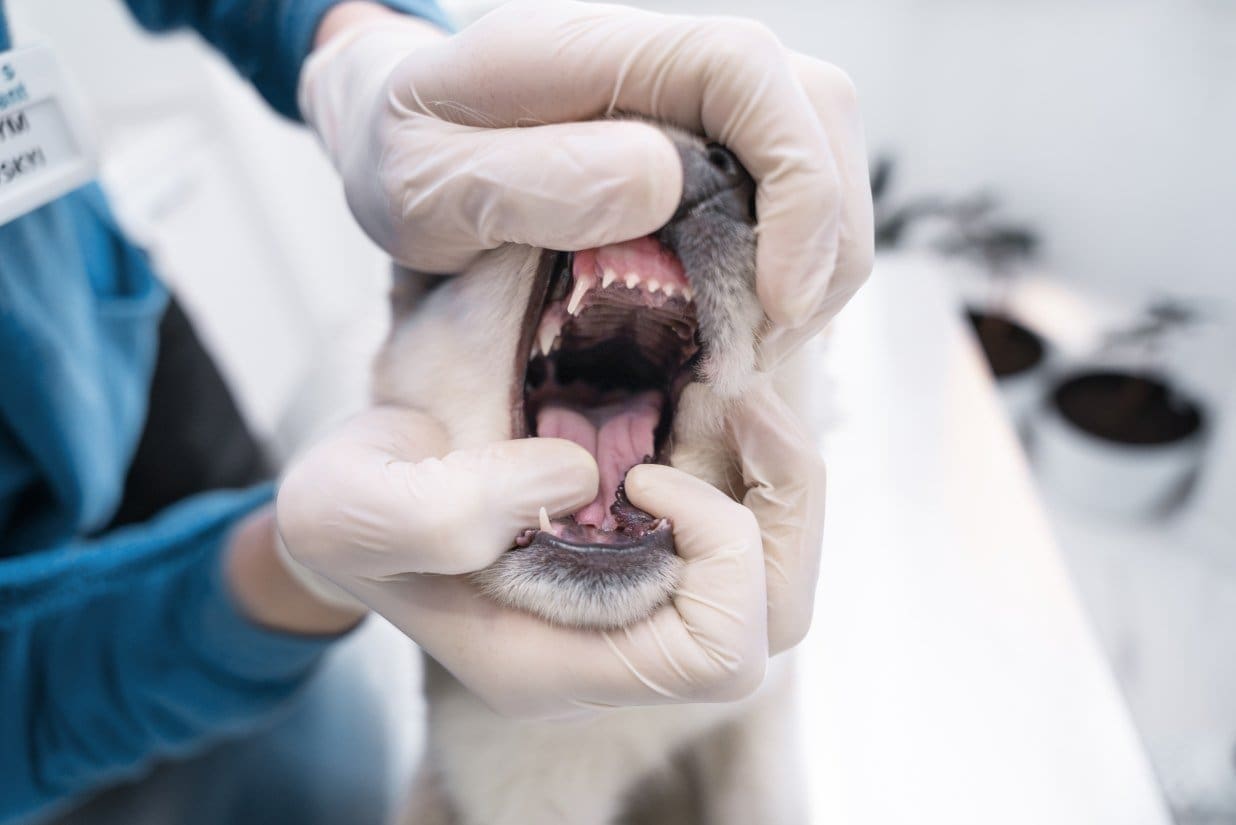
Looking for tips for keeping your dog’s teeth healthy? Taking care of your furry friend’s oral health is just as important as taking care of your own. From preventing bad breath to avoiding dental diseases, it’s essential to keep your dog’s teeth healthy. In this article, we will provide you with some valuable tips to ensure your dog maintains a beaming smile. Whether it’s establishing a regular dental routine or choosing the right dental products, we’ve got you covered. Read on to discover how you can keep your dog’s teeth in tip-top shape and promote their overall well-being.
Importance of Dental Care for Dogs
Proper dental care is essential for maintaining your dog’s overall health and well-being. Just like humans, dogs can suffer from dental diseases such as gum infections, tooth decay, and bad breath. By prioritizing dental care, you can prevent these issues and promote a healthy smile for your furry friend.
Preventing Dental Diseases
Regular dental care plays a crucial role in preventing dental diseases in dogs. Periodontal disease, which affects the teeth and gums, is one of the most common dental problems in canines. By implementing a dental care routine, you can help prevent the buildup of plaque and tartar, which are the primary culprits behind dental diseases.
Promoting Overall Health
Maintaining good dental hygiene not only benefits your dog’s oral health but also impacts their overall well-being. Dental diseases can lead to systemic infections that can affect vital organs such as the heart, liver, and kidneys. By taking care of your dog’s teeth, you are promoting their overall health and longevity.
Reducing Bad Breath
We all love our furry companions, but bad breath can sometimes make cuddling and playing less enjoyable. Regular dental care can significantly reduce your dog’s bad breath, also known as halitosis. By keeping their teeth and gums clean, you’ll be able to enjoy fresh kisses and close snuggles without any unpleasant odor.
Establishing a Dental Care Routine: Tips for Keeping Your Dog’s Teeth Healthy
Establishing a consistent dental care routine is vital to ensure your dog’s dental health. This routine should include regular brushing sessions, selecting the right toothbrush and toothpaste, and introducing teeth cleaning gradually.
Regular Brushing Sessions
Brushing your dog’s teeth should be a part of their daily routine, just like feeding and walking. The ideal frequency is at least two to three times a week, but daily brushing is even better. Use a dog-specific toothbrush with soft bristles and choose a toothpaste formulated specifically for dogs. Regular brushing will help remove plaque and tartar, preventing dental diseases. The AKC has a full guide on how to brush your dog’s teeth properly.
Selecting the Right Toothbrush and Toothpaste
When selecting a toothbrush, opt for one that has a long handle and soft bristles. This will make it easier to reach all areas of your dog’s mouth and ensure comfort during brushing. As for toothpaste, never use human toothpaste, as it contains ingredients that can be harmful to dogs. Instead, choose a dog-friendly toothpaste in a flavor your dog will enjoy, such as poultry or beef.
Introducing Teeth Cleaning Gradually
Introducing teeth cleaning to your dog should be a gradual process to avoid causing fear or discomfort. Start by getting your dog used to the taste of toothpaste. Let them lick a small amount off your finger and praise them for their acceptance. Once they are comfortable with the taste, gently introduce the toothbrush and spend a few seconds brushing their teeth. Gradually increase the duration and praise your dog throughout the process to make it a positive experience.
Professional Dental Cleanings
While regular at-home dental care is crucial, professional dental cleanings are sometimes necessary to address more advanced dental problems. Knowing when to seek professional help, what to expect during a dental cleaning, and maintaining regular dental check-ups are essential in keeping your dog’s oral health in check.
Knowing When to Seek Professional Help
Regular dental check-ups with a veterinarian are essential for detecting early signs of dental disease. However, there are certain situations when it is necessary to seek professional help in between these check-ups. If you notice excessive tartar buildup, loose or missing teeth, bleeding gums, or signs of pain while eating, it’s vital to schedule a dental cleaning with your veterinarian.
What to Expect during a Dental Cleaning
During a professional dental cleaning, your dog will be placed under general anesthesia to ensure their safety and comfort. The veterinarian will perform a thorough examination of their teeth, gums, and oral cavity. They will then remove plaque, tartar, and bacteria using specialized dental instruments. If necessary, extractions may be performed. Your dog’s vital signs will be monitored throughout the procedure to ensure their well-being.
Maintaining Regular Dental Check-ups
After a professional dental cleaning, it’s important to maintain regular dental check-ups with your veterinarian. These check-ups should occur at least once a year, or as recommended by your vet. Regular check-ups will help monitor your dog’s dental health, detect any potential issues early on, and ensure their continued oral well-being. As the ASPCA notes, untreated dental issues can lead to major pain for pets, so don’t skip these visits.
Choosing the Right Dog Food
The type of food you choose for your dog plays a significant role in their dental health. A nutritious diet, specific dog food varieties for dental health, and raw bones as natural teeth cleaners all contribute to maintaining a healthy smile.
Importance of a Nutritious Diet
A balanced and nutritious diet is crucial for overall health, including dental health. Ensure that your dog’s diet includes high-quality ingredients and meets their specific dietary needs. Proper nutrition promotes healthy teeth and gums and strengthens the body’s ability to fight off dental diseases.
Dog Food Varieties for Dental Health
Many dog food brands offer varieties specifically designed to promote dental health. These foods often feature a texture that helps scrub away plaque and tartar as your dog chews. They may also include additives that help control bacteria in the mouth. Consult with your veterinarian to choose the right dental health dog food that suits your dog’s specific needs.
Raw Bones as Natural Teeth Cleaners
Feeding your dog raw bones is a natural and effective way to clean their teeth. Raw bones not only provide a satisfying and stimulating chewing experience but also help scrape away plaque and tartar. However, it’s crucial to choose the right bones and supervise your dog while they chew to avoid any potential choking hazards or tooth fractures.
Dental Chew Toys and Treats
Chew toys and treats designed specifically for dental care can be a valuable addition to your dog’s oral hygiene routine. They offer a range of benefits, but it’s important to select safe and effective options and supervise chew sessions.
Benefits of Chew Toys and Treats
Chew toys and treats designed for dental care provide several benefits for your dog’s oral health. When chewed, they help remove plaque and tartar from your dog’s teeth, promoting fresher breath and healthier gums. These toys also provide mental stimulation and help satisfy your dog’s natural instinct to chew. Check out our Benebone Chew Toy review for a durable option worth trying.
Selecting Safe and Effective Options
When selecting dental chew toys and treats, ensure they are made of safe and durable materials that won’t easily break or splinter. Look for options that have a textured surface or ridges to aid in plaque and tartar removal. You can also consider using treats or toys that are specially formulated to promote dental health, as they may contain ingredients that are beneficial for your dog’s teeth and gums.
Supervising Chew Sessions
While chew toys and treats are beneficial, it’s important to supervise your dog during chew sessions. Accidents can happen, especially if your dog has a habit of swallowing large chunks or if the toy breaks. Regularly inspect the condition of the toy or treat and remove it if it becomes worn down or poses a potential choking hazard.
Preventing Dental Damage
To maintain your dog’s dental health, it’s important to avoid hard objects and chewing hazards, break bad chewing habits, and take care when playing with tennis balls.
Avoiding Hard Objects and Chewing Hazards
Certain objects can pose a risk to your dog’s teeth and gums. Avoid giving them hard objects such as antlers or bones that can lead to tooth fractures or other dental injuries. Additionally, be aware of any potential chewing hazards in your dog’s environment, such as furniture legs or electrical cords, and take steps to prevent access to these items.
Breaking Bad Chewing Habits
Some dogs develop destructive chewing habits, which can damage their teeth and gums. It’s important to address these habits to prevent dental problems. Provide appropriate chew toys and treats to redirect their chewing behavior. If the problem persists, consult with a professional dog trainer or behaviorist for guidance.
Taking Care with Tennis Balls
While playing fetch with your dog is a great way to exercise and bond, it’s important to take care when using tennis balls. The abrasive surface of tennis balls, combined with the repetitive motion of chewing, can wear down your dog’s tooth enamel over time. Consider using alternative toys, such as rubber balls or Frisbees, to minimize dental damage.
Recognizing Dental Problems
Being able to recognize common signs of dental issues, familiarizing yourself with different types of dental diseases in dogs, and knowing when to consult a veterinarian are essential in maintaining your dog’s dental health.
Common Signs of Dental Issues
Watch out for signs that your dog may be experiencing dental problems. These can include bad breath, difficulty eating or chewing, bleeding or swollen gums, loose or missing teeth, excessive drooling, and changes in appetite or behavior. If you notice any of these signs, it’s important to consult with a veterinarian for proper diagnosis and treatment.
Types of Dental Diseases in Dogs
Dental diseases in dogs can come in various forms, including periodontal disease, tooth resorption, oral tumors, and fractured teeth. Periodontal disease, caused by plaque and tartar buildup, is the most common dental issue. Tooth resorption is a condition where the tooth structure breaks down and can lead to tooth loss. Oral tumors and fractured teeth require immediate veterinary attention. Understanding these types of dental diseases will help you recognize the signs and take appropriate action.
When to Consult a Veterinarian
It’s important to consult a veterinarian if you suspect your dog is experiencing dental problems. A professional dental examination and appropriate treatment can prevent further complications and improve your dog’s oral health. Your veterinarian will be able to provide a proper diagnosis, recommend treatment options, and guide you on how to maintain your dog’s dental health on an ongoing basis.
Managing Dental Anxiety
Some dogs may experience dental anxiety, which can make it challenging to provide them with proper dental care. Introducing dental care step by step, making it a positive experience, and rewarding and praising your dog can help manage their anxiety.
Introducing Dental Care Step by Step
If your dog is anxious about dental care, it’s important to introduce it gradually and at their own pace. Start by simply showing them the toothbrush and toothpaste and letting them sniff and explore. Slowly progress to touching their teeth and gums with the toothbrush, followed by gentle brushing motions. Be patient and allow your dog to become comfortable with each step before moving on to the next.
Making Dental Care a Positive Experience
Creating a positive association with dental care is key to managing your dog’s anxiety. Offer praise, treats, and plenty of affection throughout the dental care process. You can also incorporate playtime or a favorite activity before or after each session to make it a more enjoyable experience. With patience and positive reinforcement, your dog will gradually become more relaxed during dental care.
Rewarding and Praising Your Dog
Rewarding and praising your dog for their cooperation and good behavior during dental care sessions will help reinforce positive associations. Offer small treats or verbal praise after each successful session, and make sure they feel loved and appreciated. This positive reinforcement will help your dog feel more at ease during future dental care sessions.
Alternative Dental Care Methods
In addition to regular brushing and professional cleanings, there are alternative dental care methods you can consider to maintain your dog’s oral health. Water additives for oral health, natural remedies for dental care, and oral rinses and gels can be used as additional tools to support your dog’s dental hygiene.
Water Additives for Oral Health
Water additives formulated for oral health can help wash away bacteria and reduce plaque buildup in your dog’s mouth. These additives are usually mixed with your dog’s drinking water and work to freshen breath and improve overall dental health. Consult with your veterinarian to find the best water additive for your dog’s specific needs.
Natural Remedies for Dental Care
Some natural remedies can assist in maintaining your dog’s dental health. These include adding certain foods to your dog’s diet, such as carrots or apples, which provide a crunchy texture that helps clean teeth. There are also natural dental sprays and chew treats containing ingredients like peppermint oil or enzymes that support oral health. Always consult with your veterinarian before introducing any new products or remedies.
Oral Rinses and Gels
Oral rinses and gels are additional tools that can be used to support your dog’s dental hygiene. These products, when used as directed, can help reduce bacteria, freshen breath, and improve overall oral health. Consult with your veterinarian to find the right oral rinse or gel for your dog and understand how to properly incorporate it into their dental care routine.
Additional Tips for Good Oral Health
In addition to the main dental care practices mentioned above, there are a few additional tips to keep in mind for maintaining your dog’s oral health.
Regularly Inspecting Your Dog’s Teeth and Gums
Make it a habit to regularly inspect your dog’s teeth and gums. Look for any signs of redness, swelling, or abnormalities. Check for loose or missing teeth and ensure that their gums are a healthy pink color. Regular inspections will help you identify any potential issues early on and seek veterinary attention promptly if needed.
Keeping Your Dog Hydrated
Proper hydration is essential for maintaining your dog’s overall health, including their oral health. Ensure that your dog has access to fresh, clean water at all times. Drinking an adequate amount of water helps flush away bacteria and reduces the risk of dental diseases.
Consulting a Veterinary Dental Specialist
If your dog has complex or severe dental issues, it may be beneficial to consult a veterinary dental specialist. These specialists have advanced training in dental care for animals and can provide specialized treatments, including advanced dental surgeries. Your regular veterinarian can refer you to a dental specialist if necessary.
By prioritizing dental care for your dog, you are taking the necessary steps to ensure their oral health, prevent dental diseases, and promote their overall well-being. Implement a consistent dental care routine, choose the right dog food, provide dental chew toys and treats, and be vigilant in recognizing and addressing dental problems. With your commitment and the help of veterinary professionals, your dog can maintain a healthy, happy smile for years to come.